
Every piece has a house behind it
Turn any well-made piece over and, sooner or later, you find the house. It is a stamp pressed into the leather under a flap, a signature engraved inside a bracelet, a number on a clasp that someone wrote into a ledger decades ago. The piece is what catches the eye. The house is what tells you what you are looking at.
Maison is simply the French word for house, and the great luxury fashion houses still use it about themselves. It is a fitting word. Most of them began as one family, one trade and one address, and the habits of that first workshop are still visible in what they make today.
This is the part of Finely Owned that gathers those houses in one place. Every story we publish about a watch, a bag, a jewel or a bottle leads back here, to the maker that stands behind it.
Saddlers, trunk makers and a hat shop
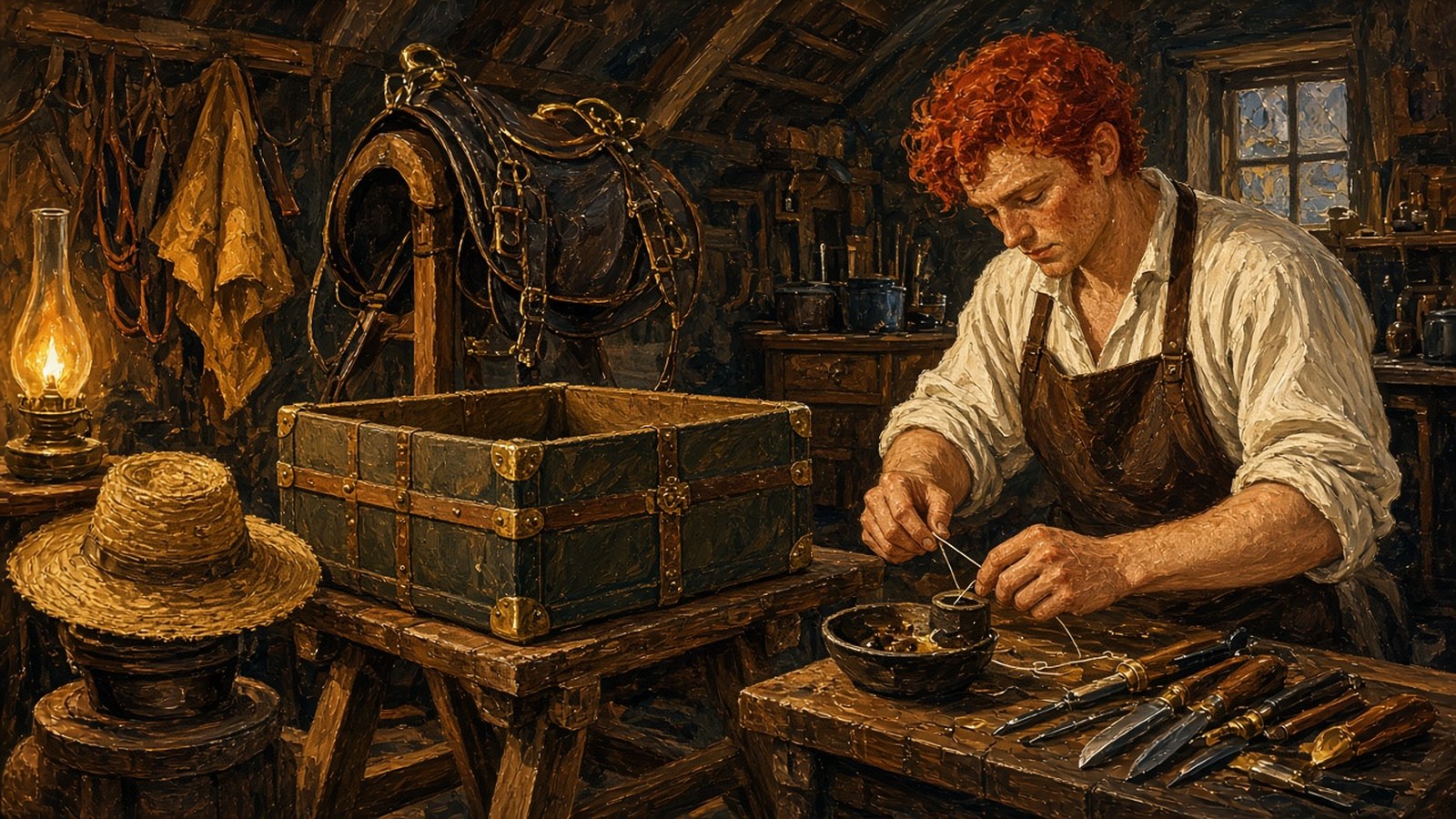
Many of the houses people now think of as fashion began somewhere far more practical.
Hermès began in Paris in 1837, when the harness-maker Thierry Hermès opened a workshop on rue Basse-du-Rempart. His harnesses won an award at the Universal Exhibition of 1867, and in 1880 his son Charles-Émile moved the workshops to 24 rue du Faubourg Saint-Honoré, the address the house is still known by. The saddle stitch, made by hand with two needles, came from that equestrian trade, and it is still the stitch specialists look for when they examine a Hermès bag today, as Christie’s handbag department explains.
Louis Vuitton was founded in Paris in 1854 by a master trunk maker. Its first store was at 4 rue Neuve-des-Capucines, near the Place Vendôme, and the house credits its founder and his successors with the flat-top trunk, lightweight canvas and the tumbler lock. The workshops at Asnières, just outside Paris, have been in use since 1859, and the house still crafts leather goods and special orders there.
Chanel began in 1910 as a hat boutique at 21 rue Cambon, opened under the name Chanel Modes. Gabrielle Chanel took over 31 rue Cambon in 1918, and in 1921 she created N°5, which the house describes as the first perfume by a dressmaker.
The thread running through all three is the same. Each started by making something that had to work, a harness, a trunk, a hat, and the luxury came from making it better than anyone else.
The jewelers of the Place Vendôme and Fifth Avenue

The great jewelry houses have their own founding addresses, and collectors still use them as shorthand.
Cartier began in 1847, when Louis-François Cartier took over the workshop of his master, Adolphe Picard, at 29 rue Montorgueil in Paris. The firm moved to 13 rue de la Paix in 1899, a few streets from the Place Vendôme, and opened in London in 1902 under Pierre Cartier.
Van Cleef & Arpels traces itself to the 1895 marriage of Alfred Van Cleef and Estelle Arpels. In 1906 they opened a boutique at 22 Place Vendôme with her brother Charles, and the house is still there.
On the other side of the Atlantic, Tiffany & Co. opened in 1837 as a “stationery and fancy goods” store at 259 Broadway in New York, founded by Charles Lewis Tiffany and John B. Young. The house dates the engagement ring as it is known today to 1886, when it introduced the Tiffany Setting, which lifts the diamond off the band and into the light.
In Rome, Bulgari was founded in 1884 by Sotirio Bulgari, a Greek silversmith, who opened his first shop on Via Sistina.
Each of these houses has a signature you can learn to read, from the way a piece is signed to the motifs it returns to. Our jewelry guide goes into those signatures piece by piece.
And a watchmaker in London
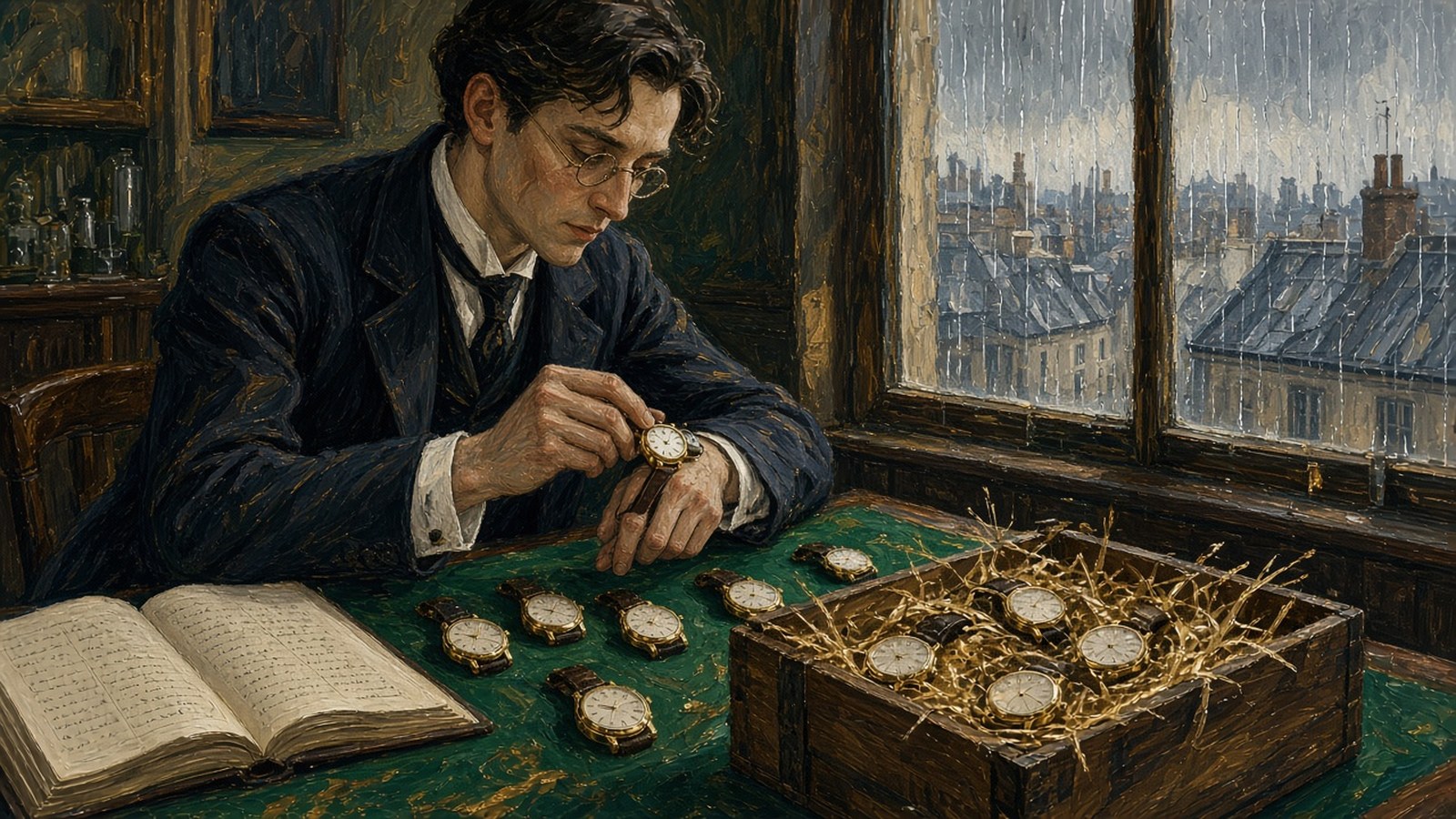
Not every great house began in Paris. Rolex began in London in 1905, when Hans Wilsdorf and his brother-in-law Alfred Davis set up a watch business there. Wilsdorf registered the name Rolex in 1908, choosing something short enough to fit on a dial and easy to say in any language. In 1910 a Rolex became the first wristwatch to receive the Swiss Certificate of Chronometric Precision, and in 1914 Kew Observatory gave a Rolex wristwatch a class “A” precision certificate, a grade the house notes had until then gone only to marine chronometers, according to Rolex’s own history. After the First World War the business moved to Switzerland, and Montres Rolex S.A. was registered in Geneva in 1920.
The ownership is unusual, too. Wilsdorf created the Hans Wilsdorf Foundation in 1945, and the foundation describes itself as the owner of the Rolex group, so there are no outside shareholders. We tell that story in full in Hans Wilsdorf: The Salesman Who Taught the World to Wear Rolex, and the watches that came out of it are gathered in our watches guide.
How a house shows up in a pre-owned piece
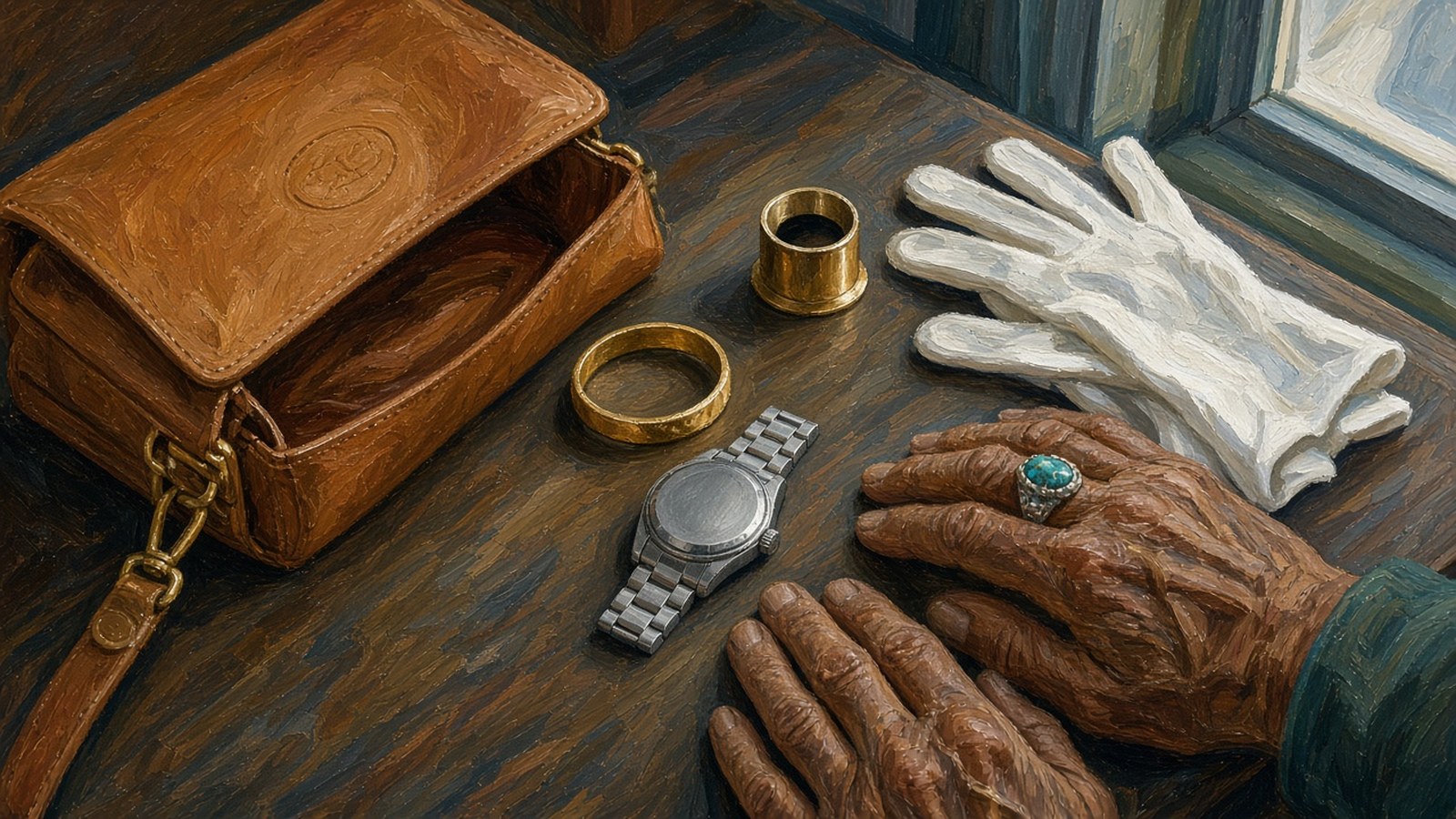
Knowing the house matters most when a piece has changed hands. Pre-owned pieces rarely come with a salesperson to explain them, so the house’s own habits do the explaining.
- Stamps and signatures. A Hermès bag carries a logo stamp and, on many bags, a small date stamp whose style matches the era it was made, according to Christie’s. A signed gold jewel is usually marked with the maker’s name, a fineness mark and often a serial number.
- Construction that fits the era. Materials and hardware change over the decades. Christie’s notes, for example, that Hermès Evercolor leather was introduced only in 2013, so it shouldn’t appear on an older bag.
- Papers, and what they can’t do. Documentation helps, but it isn’t everything. Christie’s points out that Hermès does not issue authenticity cards, so a Hermès bag sold with one is a warning sign. Van Cleef & Arpels says it gives no guarantee on the origin of pieces bought outside its own boutiques and official website.
That last point is why the seller matters as much as the house. The pre-owned pieces we feature are offered by independent resellers that authenticate what they sell. What Goes Around Comes Around opened a pre-owned storefront in Amazon Luxury Stores, and in June 2025 Rebag announced it was bringing nearly 30,000 pre-loved pieces there, from houses including Hermès, Louis Vuitton, Rolex and Cartier. Neither reseller is affiliated with the houses whose pieces it sells, and we always say who the seller is.
The house pages
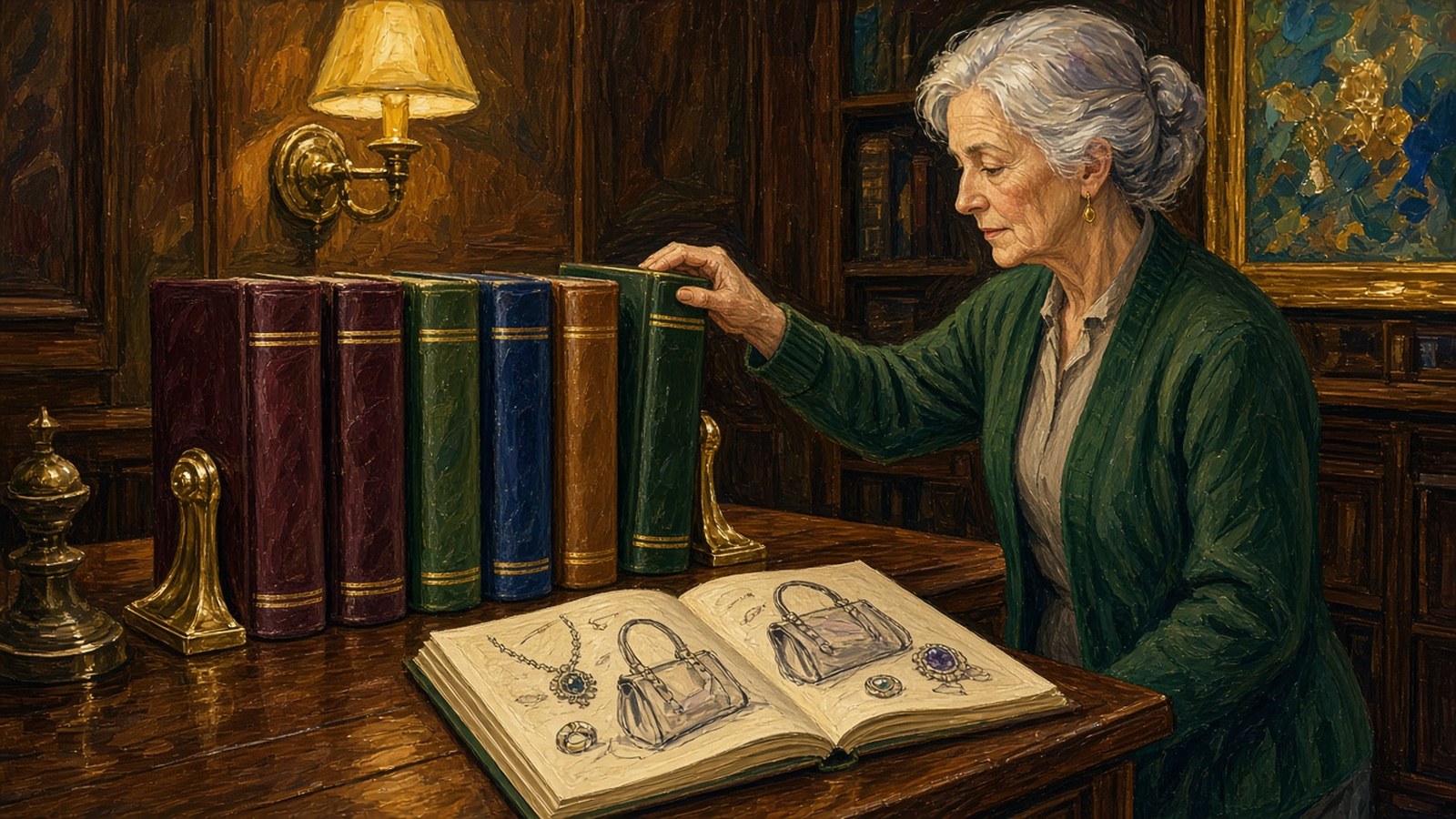
Each house will get its own page here: where it began, the signatures it is known for, and what to check when one of its pieces comes up pre-owned. These are the first we’re preparing, and we’ll link each one here as it is published.
- Hermès: the saddler of the Faubourg Saint-Honoré, the stitch that started with harnesses, and the bags that carry its stamps.
- Chanel: from a hat shop on rue Cambon to the quilted bag and the perfume known by a number.
- Louis Vuitton: a trunk maker’s house, its canvas and the soft bags that followed the trunks.
- Cartier: from rue Montorgueil to rue de la Paix, and the bracelets and watches that made the name.
- Van Cleef & Arpels: a marriage, a boutique on the Place Vendôme and a four-leaf motif.
- Tiffany & Co.: a Broadway fancy-goods store that gave its name to a ring setting.
- Bulgari: a Greek silversmith in Rome, and the jewelry the city shaped.
- Rolex: a London watch business that moved to Geneva, told already in our Wilsdorf story.
Two of those houses already have a story you can read now. For Hermès, Grace Kelly and the Hermès Kelly follows a saddler’s bag that a princess made famous. For Rolex, there is a whole shelf, starting with the Explorer II and the Datejust.
Where to go next

The houses are one way into Finely Owned. The pieces are the other. If you’d rather start with the object than the maker, each of our guides gathers its stories in one place:
- Watches: the stories behind the dials, from the Explorer II to the Day-Date.
- Jewelry: signatures, hallmarks and the motifs that never quite go out of fashion.
- Handbags: leather, hardware and stitching, read the way a trained eye reads them.
- The Vanity: fragrance, skincare and a corner for the cult favorites.
Whichever door you take, the house is never far behind the piece.
Questions we’re often asked
What makes a house a maison?
There is no official test. In practice, people use the word for houses with a founding name, a long history in one trade and a signature you can recognize without seeing a label. Every house on this page fits that description, and each one still points to the address where it began.
Does the house matter more than the piece?
Not always. A well-kept piece from a great house is worth knowing, but a tired one is still tired. The house tells you what to look for; the piece tells you whether it’s there.
Why do some houses keep making the same design for decades?
Because it still works. The 2.55 bag, the Love bracelet and the Kelly all began as one clear idea, and the houses have mostly refined them rather than replaced them. For a pre-owned buyer, that continuity is useful: the details that changed over time are often what dates a piece.
Can I buy directly from the house pre-owned?
Most of the pre-owned pieces we feature come from independent resellers, not from the houses themselves. That is why we always name the seller.
Sources
- Hermès, Six generations of artisans
- LVMH, Louis Vuitton; Louis Vuitton, A Legendary History
- Chanel, 1910s and Gabrielle Chanel
- Grand Palais, La maison Cartier en quelques dates
- Van Cleef & Arpels, Origins and Protecting the Maison’s know-how and identity
- Tiffany & Co., Tiffany’s Legacy
- Bulgari, History: 1884
- Rolex, History 1905–1919
- Fondation Hans Wilsdorf, The Foundation
- Christie’s, How we know your Hermès handbag is genuine (handbag authentication guide)
- Luxury Daily, Amazon Luxury Stores, What Goes Around Comes Around launch preowned luxury channel
- Rebag via PR Newswire, Rebag Collaborates with Luxury Stores at Amazon
Finely Owned is independent and isn’t affiliated with the houses we write about. Brand names are trademarks of their owners and are used only to describe the pieces.