
The appraisal starts at the clasp
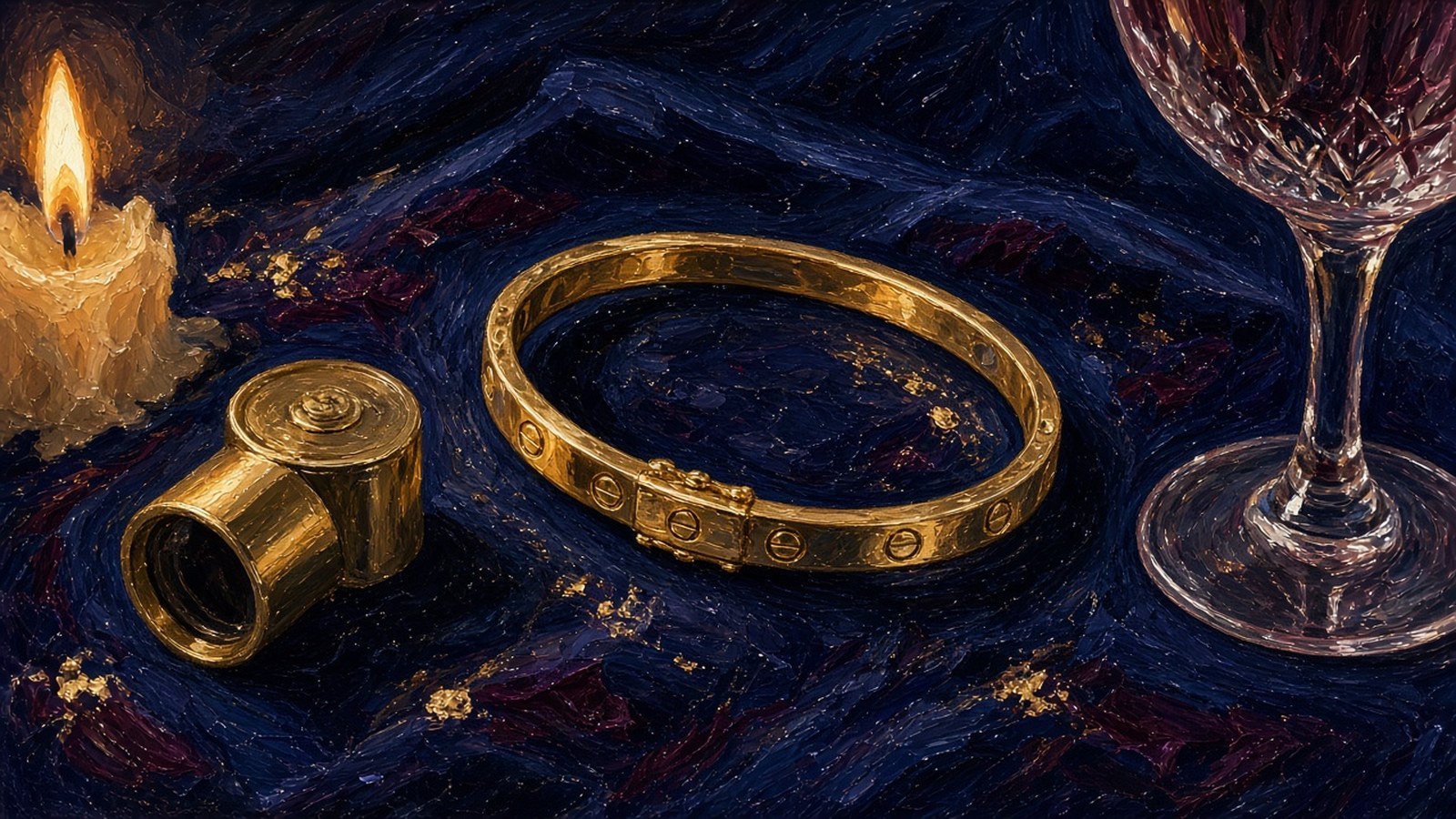
People who know jewelry rarely look at the stone first. They look at the way a piece sits. A bracelet that moves the right way on the wrist, a necklace that falls in an even line, a ring whose setting still holds its shape: these are the first things a trained eye notices, and they say more than any sparkle.
Then they look for the signature. The great houses each designed something that people can recognize from across a room, and the best pre-owned pieces are those signatures, kept well. A trained eye reads the motif, then the metal, then the marks, in roughly that order.
That is what this guide to pre-owned designer jewelry is for. We don’t list jewels by carat and price. We appraise them the way a collector would, with the history of the design in hand and a clear idea of what to check before you keep one.
Signatures you can learn to read
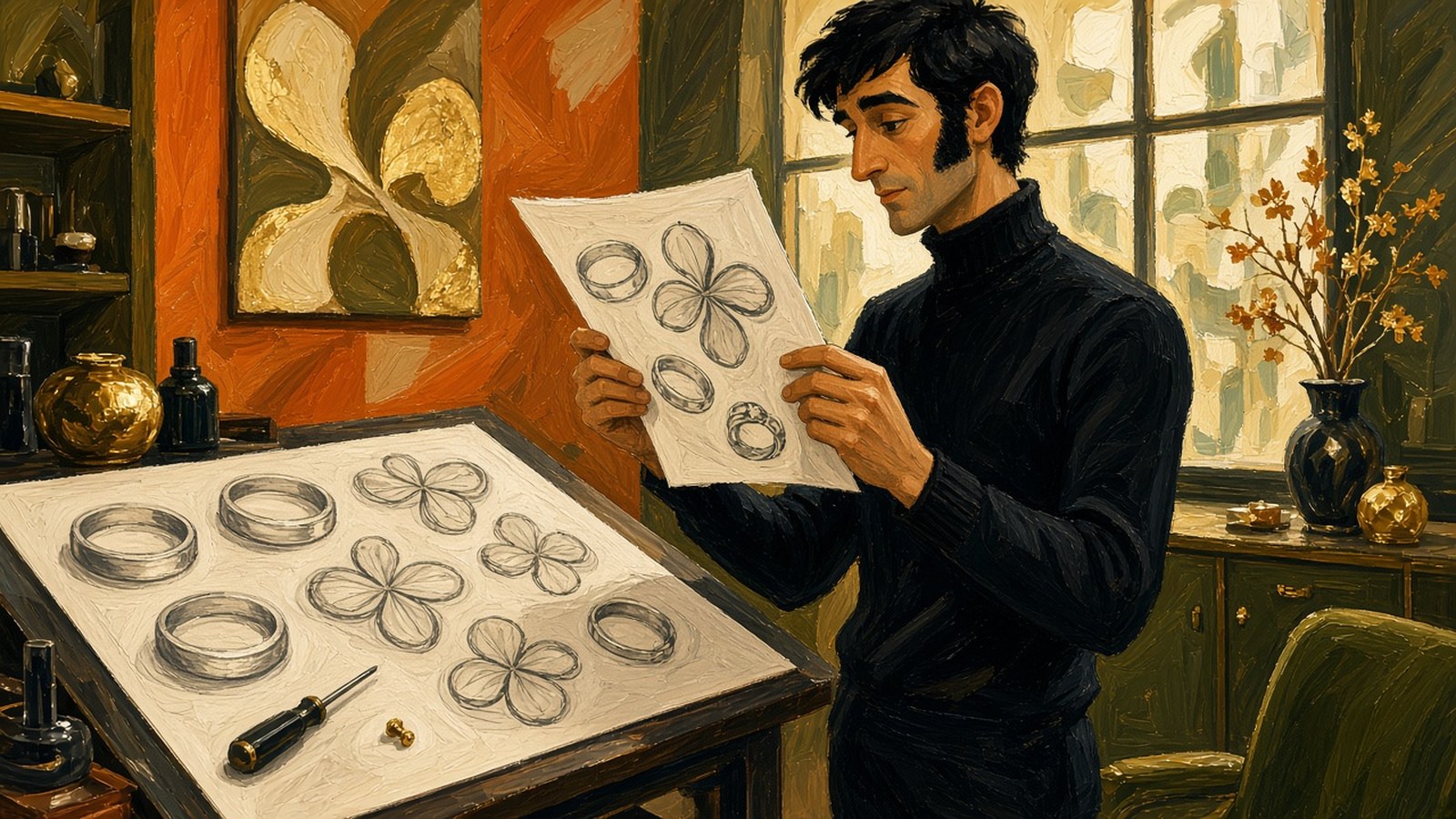
The jewels that hold their place for decades usually began as one clear idea.
The Love bracelet. Aldo Cipullo designed it for Cartier in New York in 1969, as a bracelet whose two halves are joined by tiny screws and fastened with a small screwdriver, according to his New York Times obituary. Sotheby’s calls it one of the most popular and most recognized bracelets in the house’s history. The design has changed quietly over time. In January 2025 Cartier added a hinged version with a single screw, while the two-screw classic stayed in the line, which matters when you are dating a pre-owned piece.
The Alhambra. Van Cleef & Arpels made its first Alhambra long necklace in 1968, with twenty clover-shaped motifs in yellow gold edged with gold beads, and the house says it was an immediate success. The four-leaf shape now comes in many sizes and materials, from mother-of-pearl to onyx and carnelian.
The Tiffany Setting. Tiffany & Co. introduced its engagement ring setting in 1886. Before it, the house explains, diamond rings were usually set in bezels. Mr. Tiffany’s ring lifted the stone off the band and into the light, and the shape became the one most people picture when they hear the words “engagement ring.” The same house later brought in designers whose work collectors now seek out by name, among them Jean Schlumberger, who arrived in 1956, and Elsa Peretti, whose natural forms defined the 1970s.
A couturière’s diamonds. Jewelry is not only the jewelers’ territory. In 1932 Gabrielle Chanel presented a fine jewelry collection, “Bijoux de Diamants,” which the house says stirred scandal in the subdued world of fine jewelry at the time.
Each of these signatures has a house behind it, and our Maisons page tells where each of those houses began.
Reading the marks

Fine jewelry is meant to be read as well as worn. The marks are small, but they are where most of the facts live.
- The fineness mark. A number such as 750 tells you how much precious metal the piece contains in parts per thousand. As the Edinburgh Assay Office explains, 750 is 18 carat gold and 950 is platinum at 95 percent. A piece described as 18k gold should carry a mark that agrees.
- The maker’s signature. Signed pieces from the great houses usually carry the house name engraved or stamped somewhere discreet, often with a serial number. Auction houses describe these marks in their lot notes, and a seller should be able to show you exactly where they sit.
- Hallmarks from an assay office. In some countries an independent assay office tests the metal and adds its own mark. The Edinburgh office lists the parts of a UK hallmark: the sponsor’s mark, the fineness mark and the assay office mark.
- The stone’s paperwork. For a diamond, a grading report from a laboratory such as GIA records the stone’s shape, color, clarity, cut and carat weight, along with any treatments, and plots its unique inclusions on a diagram. GIA says every diamond it grades is catalogued under a report number that can be looked up through its Report Check service, so if a report comes with a pre-owned piece, the number is worth checking. A grading report describes quality; it isn’t a price.
We won’t tell you that marks alone prove a piece is genuine. They are one part of the picture, alongside the construction, the condition and, above all, the seller.
How we appraise

Every jewelry story on Finely Owned follows the same path, so you always know where you are.
- The appraisal. What a trained eye notices first, and what the piece says about the person wearing it.
- Where it came from. The year, the designer and the versions that followed, checked against the house’s own history and reputable sources.
- Famous wearers and moments. Only the ones we can document, with links.
- What owners say. Real accounts from collectors, paraphrased and credited to where they were posted.
- The buying guide. Sizing, marks, condition, papers and what to check before you keep a pre-owned piece.
- Why it costs what it does. The short version, in one line.
We don’t print prices in our stories. Gold moves, house prices change, and a figure in an article goes stale fast. Where a number matters, it carries the date it was true.
What holds its value, and what to check
Not every jewel holds its value, and honest guides say so. Sotheby’s notes that desirable Cartier styles often trade below their retail price on the secondary market, which is exactly why pre-owned can be the sensible way to own one. For Van Cleef & Arpels, Sotheby’s says the house tends to retain a high proportion of its value, and that the condition of materials such as mother-of-pearl and enamel matters a great deal.
Before you keep a pre-owned piece, a few habits help:
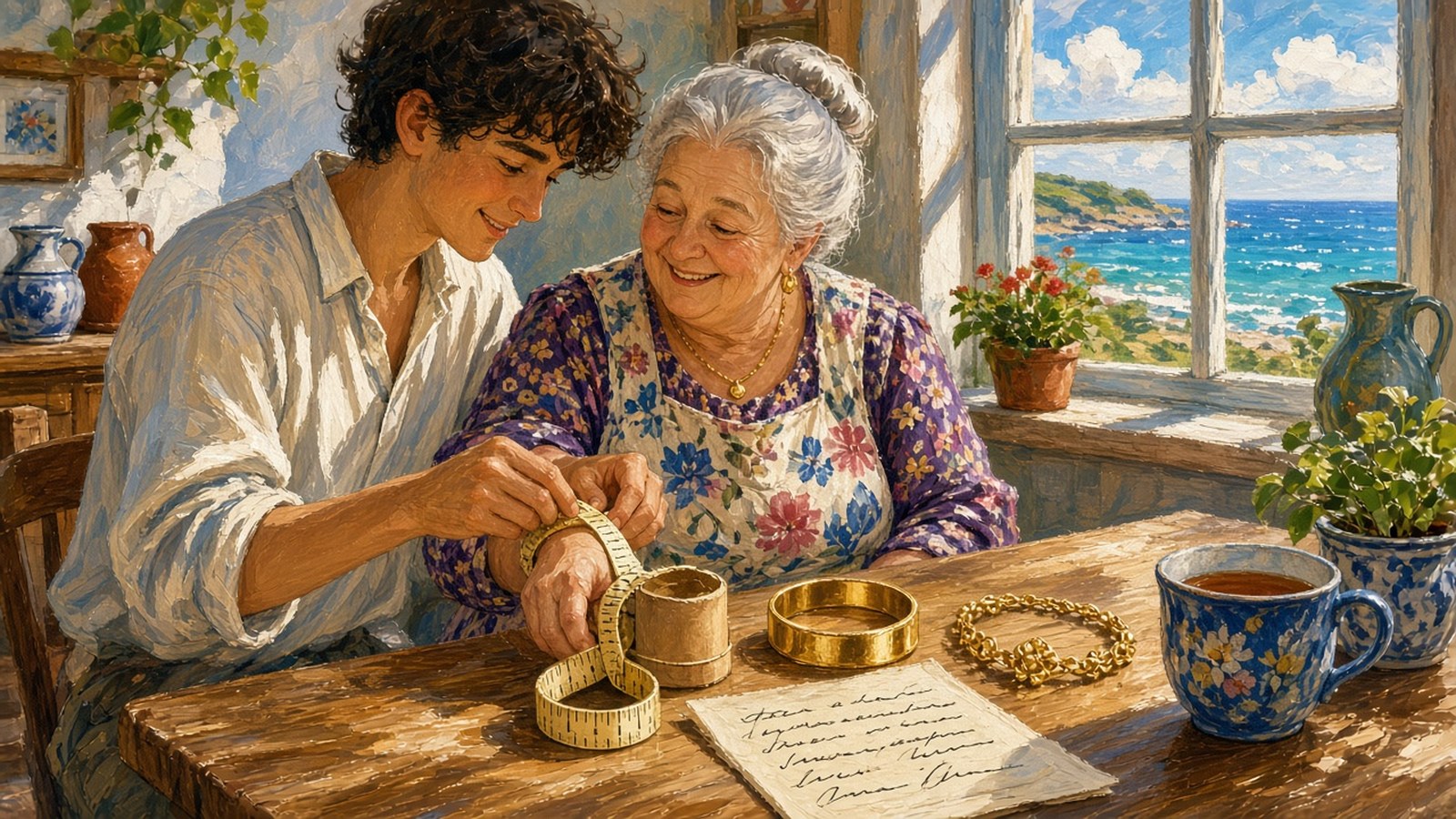
- Size first. Cartier sizes its bracelets in centimeters and publishes a size guide. Measure before you choose, because resizing a signed piece isn’t always possible and can affect what it’s worth.
- Look at the edges. Worn prongs, softened engraving and scratched inlays are the places a piece shows its life.
- Ask what comes with it. Box, pouch, original receipt, service papers, a grading report: none are essential, but each one is part of the story the next owner will want.
- Don’t alter it yet. Don’t resize, polish or re-plate a piece until you’ve decided to keep it.
Stories in this guide
Now published: gold and yellow diamonds.
- Lunar New Year Gold and Jewelry Gifts: the luckiest picks for Feb 6, 2027
- Yellow Diamonds: what fancy yellow means, and the pieces worth owning
- Chinese Wedding Gold: si dian jin, dragon-and-phoenix bangles and what to give
- Lucky Jewelry: the gold given for good fortune, from Lunar New Year to Dhanteras
More jewelry stories are being written now, and we’ll link each one here as it’s published.
- The Cartier Love bracelet: a screw-shut bangle from 1969, the lore that grew around it, and how to read a pre-owned one.
- Van Cleef & Arpels Alhambra: a four-leaf motif from 1968, and how to buy one honestly pre-owned.
- The Tiffany Setting: an 1886 ring that changed how diamonds are worn.
- Reading jewelry hallmarks: fineness marks, maker’s marks and what a grading report can and can’t tell you.
- Cartier Juste un Clou: a nail turned into a bracelet, and why it sits so close to the Love.
Until then, our Watches guide is full, and it opens with the Rolex Datejust, a watch that is often worn like a piece of jewelry. You’ll also find the houses in The Maisons, bags in our handbags guide, and the dressing table in The Vanity. The watches guide gathers every watch story in one place.
Questions we’re often asked
Why buy designer jewelry pre-owned?
Partly for value: as Sotheby’s notes, many desirable styles trade below their retail price on the secondary market. Partly for range. The pre-owned market holds versions a house no longer makes, like the two-screw Love bracelet now that a hinged one exists alongside it, and older pieces whose gold has had decades to soften in color and finish.
Does a pre-owned piece need its box and papers?
No, but each one helps. A box and pouch show how the piece was kept. A receipt or service record shows where it has been. A diamond grading report can be checked by its number. None of them replaces a seller who authenticates what it sells and explains how.
Is it safe to wear a pre-owned piece every day?
It depends on the materials. Gold and platinum are made to be worn, though they scratch. Softer materials need more care, and Sotheby’s points out that the condition of mother-of-pearl and enamel matters a great deal when you’re buying. Check that settings are tight and clasps close firmly before a piece goes back into daily use.
Do I need an appraisal?
A grading report describes a stone; it doesn’t put a value on the piece. If you want a value for insurance, ask an independent appraiser once the piece is yours, and keep the report with your other papers.
A note before you buy
Everything we feature is pre-owned and sold by independent resellers. Read who the seller is and how it authenticates. Ask where the marks are and what paperwork comes with the piece. Don’t size, polish or alter a jewel until you’ve decided to keep it.
Sources
- The New York Times, Aldo Cipullo Dead; Designer of Jewelry
- Sotheby’s, The Complete Guide to Collecting Cartier Bracelets
- Vogue Singapore, Cartier’s Love bracelet, medium and hinged
- Van Cleef & Arpels, History of the Alhambra collection
- Sotheby’s, 5 Insider Tips to Buying Van Cleef and Arpels at Auction
- Tiffany & Co., Tiffany’s Legacy
- Chanel, Gabrielle Chanel
- Edinburgh Assay Office, What is a hallmark?
- GIA, How GIA grades diamonds
- Cartier, Bracelet size guide
Finely Owned is independent and isn’t affiliated with the houses we write about. Brand names are trademarks of their owners and are used only to describe the pieces.