
The appraisal starts at the dressing table
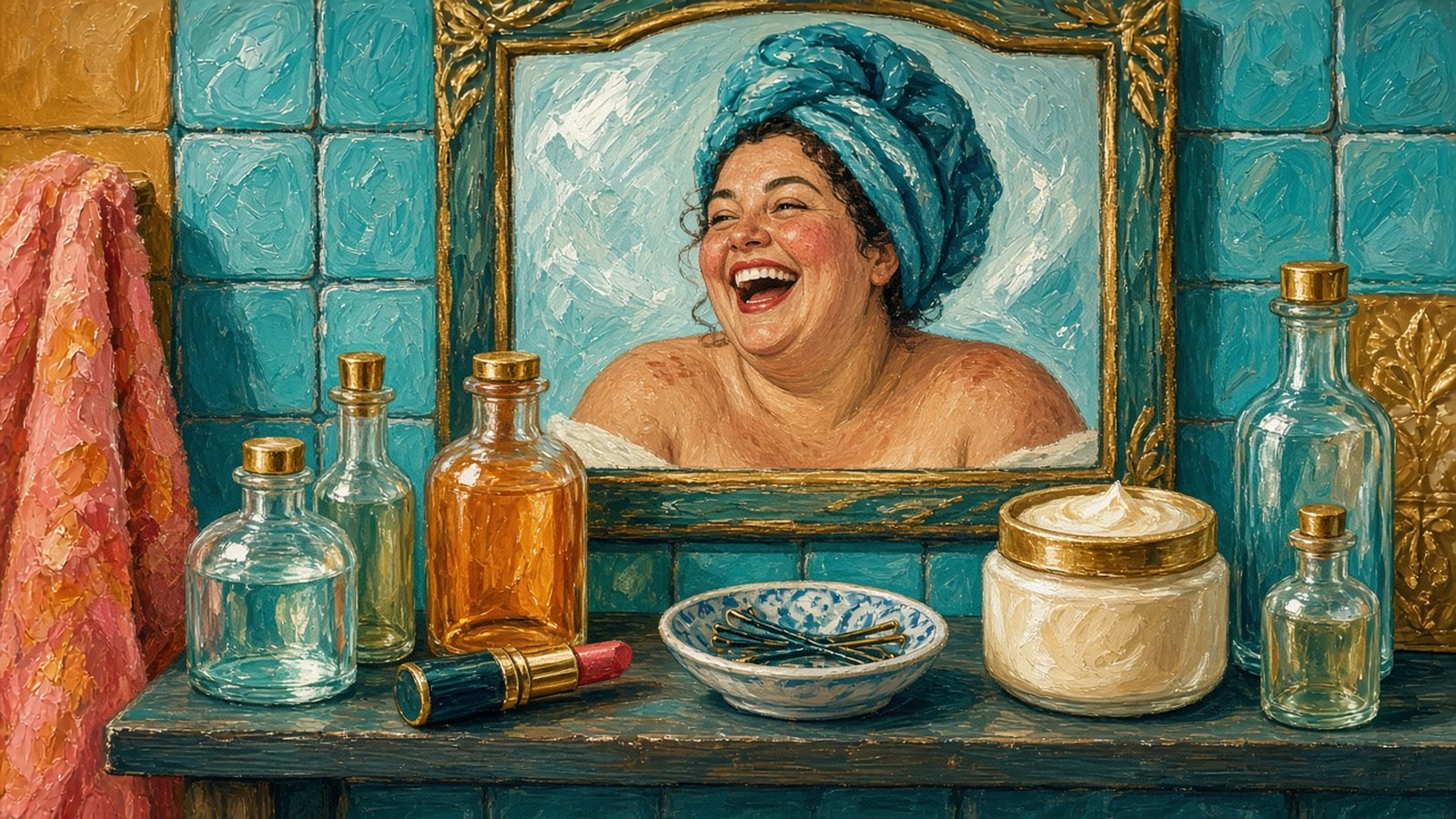
A dressing table says as much about someone as a wristwatch does. The bottle that is nearly finished, the cream they reorder without thinking, the lipstick worn down to a slant: these are the things people actually use, and they are a better guide than any advertisement.
The Vanity is Finely Owned’s corner for luxury skincare, fragrance and beauty: the pieces worth a place on the dresser, and the stories behind them. It has one difference from the rest of the site. Our watches, jewelry and bags are pre-owned. Beauty is not. Everything here is bought new, so the questions change. Instead of asking who owned it before, we ask where it came from, what’s in it and how long it will keep.
Fragrance, and the house that dressed it
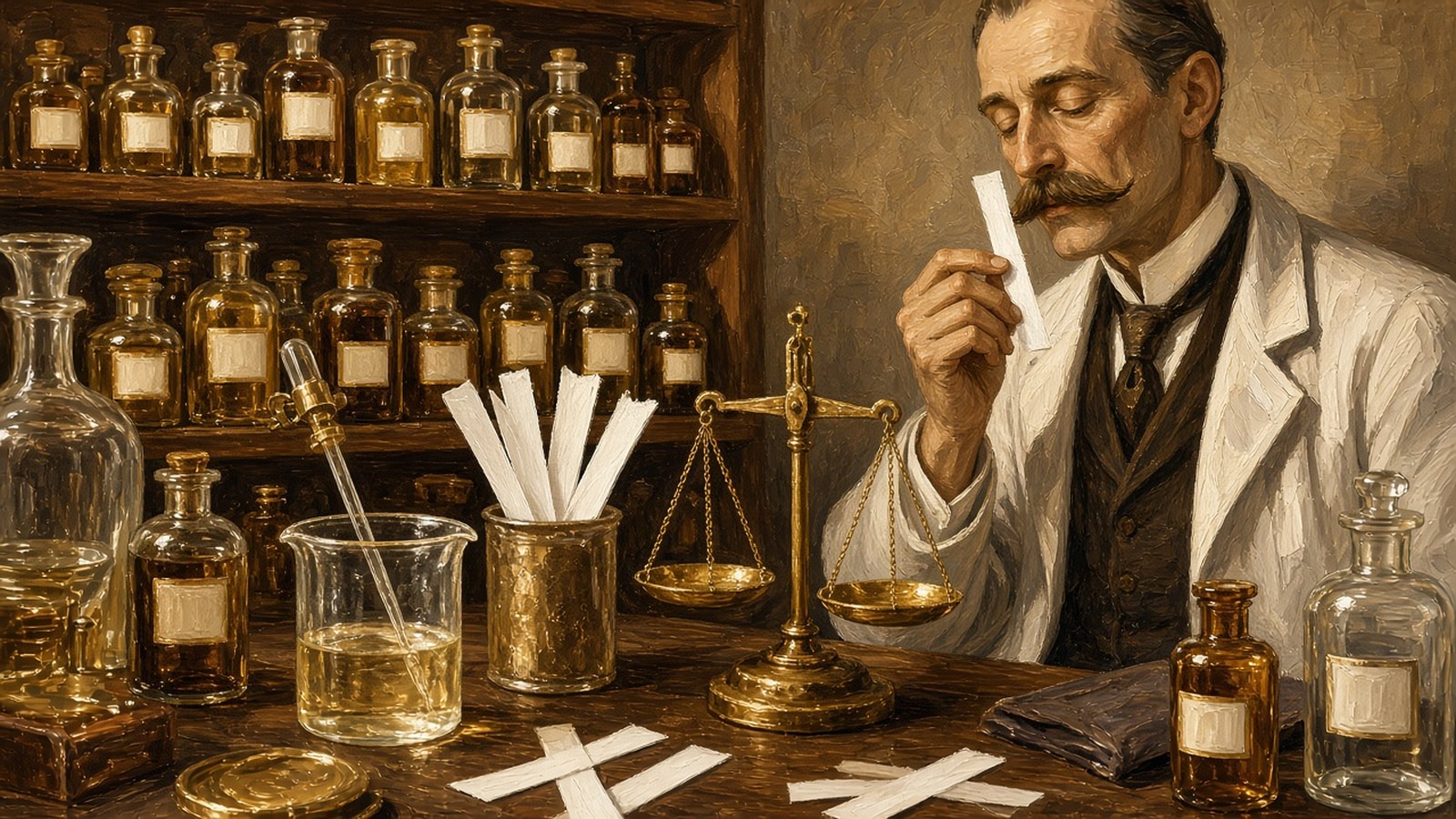
Luxury fragrance has its own history of houses, and one bottle stands near the beginning of it. Gabrielle Chanel created N°5 in 1921, working with the perfumer Ernest Beaux, and the house describes it as the first perfume by a dressmaker. Its 1920s history shows how quickly the idea took hold: a fashion house putting its name on a scent,, at a time when no dressmaker had done so before.
That idea, of a house extending its signature from clothes to scent, is now so common that it’s easy to forget it had to start somewhere. It is also why fragrance sits so naturally beside the rest of Finely Owned. The same houses whose bags and jewels we appraise often have a bottle on the dresser too, and our Maisons page tells where those houses began.
When we write about a fragrance, we keep to what can be checked: who made it, when, and how the house describes it. How a scent wears on a particular person is subjective, and we’ll say so when we share owners’ impressions.
Skincare with a story

Some luxury skincare is bought for its formula. Some is bought for its story, and the best brands are careful to tell it as their own.
La Mer is the clearest example. The brand’s own account is that Dr. Max Huber, an aerospace physicist, was burned in a laboratory accident and spent twelve years and more than 6,000 experiments developing a fermented blend built around sea kelp, which the brand calls Miracle Broth and uses in Crème de la Mer. That is the story as La Mer tells it, and we present it that way. It is part of why the jar costs what it does, alongside the packaging, the counter and the brand.
That distinction matters across this category. A brand’s founding story, a clinical claim and a customer’s experience are three different things. We’ll tell you which one you’re reading.
Cult Favorites: the K-beauty corner

Within The Vanity sits Cult Favorites, our corner for the K-beauty and cult skincare everyone is talking about, appraised with the same calm as everything else.
Some of these products earned their following quickly and in public. Medicube, from the Korean company APR, is one: its Zero Pore Pad ranked first in sales in Amazon’s US Beauty & Personal Care category during Prime Day in July 2025, according to Chosun Biz, which also reported more than ten million units sold worldwide by that April. Popularity on that scale tells you a product is widely liked. It doesn’t tell you it will suit your skin, and we’ll keep those two ideas apart.
Many cult favorites are built around a single ingredient. The best known is centella asiatica, the herb also called gotu kola, which appears on labels as “cica” or by the names of its compounds. A 2021 scientific review names its main active compounds as asiaticoside and madecassoside and summarizes laboratory and animal research on skin. The same review is careful to say that more rigorously controlled long-term clinical trials are needed to confirm its full potential. Among skin conditions, the review found the evidence for wound healing to come mostly from laboratory and animal studies, with clinical studies sparse. We’ll keep to that line too: we’ll tell you what an ingredient is and what the research says, without promising what it will do.
How we appraise beauty

Every story in The Vanity follows the same path, adapted for things you put on your skin.
- The appraisal. What a seasoned eye notices first, from the bottle to the texture, and what it says about the person who reaches for it.
- Where it came from. The house or brand, the year and the story, checked against the brand’s own history and reputable sources, and labelled as the brand’s telling where that’s what it is.
- What’s in it. The key ingredients, what they are and what published research says, without medical claims.
- What owners say. Real accounts, paraphrased and credited to where they were posted.
- The buying guide. Where to buy it new, how to read the packaging and how long it keeps once opened.
- Why it costs what it does. The short version, in one line.
We don’t print prices in our stories. Beauty prices change with every season, and a figure in an article goes stale fast.
Bought new, kept well
Because beauty is bought new, the seller and the date matter more than provenance. A few habits help:
- Buy from the brand or an authorized seller. Many prestige brands now run their own storefronts online; Estée Lauder, for example, announced its US Amazon Premium Beauty store in October 2024. A brand-run storefront is the simplest way to know a product is what it says.
- Know the storefront. When Amazon opened its Luxury Stores in September 2020, it presented them as a space where each brand makes its own decisions on stock, selection and pricing. When we point you to a product, we’ll say whose storefront it is.
- Read the open-jar symbol. In the European Union, cosmetics with a shelf life of more than thirty months carry a small open-jar symbol with a number of months, the “period after opening,” set out in the EU Cosmetics Regulation. It tells you how long the product is meant to be used once opened.
- Patch test anything new. Even well-loved ingredients don’t suit everyone. Try a small amount first, and follow the brand’s directions.
Stories in this guide

The first Vanity stories are being written now, and we’ll link each one here as it’s published.
- Chanel N°5: the first perfume by a dressmaker, and what Ernest Beaux put in the bottle.
- Crème de la Mer: a physicist’s story, a kelp ferment and why the jar costs what it does.
- The Medicube Zero Pore Pad: a Korean pad that topped Amazon’s beauty chart, appraised.
- Centella, explained: what cica is, what the research says and what it doesn’t.
- The Laneige Lip Sleeping Mask: an overnight lip treatment with a cult following, appraised.
- Beauty of Joseon: a Korean brand that looks to old herbal traditions, and what’s actually in the jar.
- The Tom Ford lipstick: a fashion designer’s lipstick, appraised.
While you wait, the rest of Finely Owned is open. Our watches guide gathers the stories behind the dials, the jewelry guide reads signatures and hallmarks, and the handbags guide opens with Grace Kelly and the Hermès Kelly.
Questions we’re often asked
Why is luxury skincare in a guide to pre-owned pieces?
Because it belongs on the same dresser. The houses whose bags and jewels we appraise often make fragrance and beauty too, and the people who care about a well-kept watch tend to care about what they put on their skin. The difference is that beauty is always bought new, and we say so plainly.
What makes a skincare product “luxury”?
Usually some mix of formula, packaging, history and the name on the jar. We try to separate them, so you can tell what you’re paying for: the ingredients, the story, or the experience of using it.
Are K-beauty cult favorites the same as luxury skincare?
Not usually. Many of them are priced well below prestige brands, and they earn their following through results people talk about rather than through heritage. That is why they have their own corner here.
Does an expensive cream work better than an inexpensive one?
Price alone doesn’t tell you. A formula suits your skin or it doesn’t, and the only honest way to know is to read the ingredients, patch test and give it time.
How long does fragrance keep?
Look for the open-jar symbol where there is one, and store bottles away from heat and direct light. If a scent smells noticeably different from when you opened it, trust your nose.
A note before you buy
Beauty in The Vanity is sold new. Check who the seller is, read the packaging and the ingredient list, and patch test anything new. Nothing here is medical advice; if you have a skin condition, ask a dermatologist.
Sources
- Chanel, Gabrielle Chanel and 1920s
- La Mer, Our Legacy
- Chosun Biz, Medicube leads Amazon Prime Day sales
- Evidence-Based Complementary and Alternative Medicine via PubMed Central, Pharmacological Effects of Centella asiatica on Skin Diseases
- Phytotherapy Research via PubMed, Centella asiatica in dermatology: an overview
- The Estée Lauder Companies, Estée Lauder Announces U.S. Amazon Premium Beauty Store Debut
- Amazon, Amazon announces new shopping experience: Luxury Stores
- EUR-Lex, Regulation (EC) No 1223/2009 on cosmetic products
Finely Owned is independent and isn’t affiliated with the brands we write about. Brand names are trademarks of their owners and are used only to describe the products.