
Unlike houses that rely on plastic authenticity cards or microchip tags, a pre-loved Hermès bag carries its biography directly in its hide, linen thread and brass hardware. When an auction specialist examines a vintage Kelly—whose origins we trace in our story on Grace Kelly’s Hermès bag—or any of the heritage silhouettes on our handbags guide, they read four physical details in concert: the blind stamp (marquage à sec), the grain and temper of the leather, the microscopic symbols beside the foil stamp, and the upward slant of the hand-sewn saddle stitch.
The Collector’s Reference
Hermès blind stamps were never conceived as consumer serial numbers; they are internal atelier marks recording the year of manufacture alongside the individual leatherworker’s bench code so the bag can return to the right craftsperson for spa servicing. A blind stamp must always agree with the era of the leather, the construction style and the hardware engraving.
The Hermès blind stamp (marquage à sec) chart: 1945 to the present
Since 1945, Hermès artisans have hand-impressed an alphabetical year letter into the leather without foil—a technique known in French saddlery as marquage à sec (“dry marking” or blind stamping). As documented by Christie’s handbag specialists and Rebag’s Hermès stamp reference, both the geometric frame around the letter and its location on the bag evolved across four distinct eras:
| Era | Geometric Frame | Alphabet Sequence & Key Years | Typical Stamp Location on Bag |
|---|---|---|---|
| 1945 – 1970 | No frame (plain capital letter) | Sequential A (1945) through Z (1970) | Underside of the sangles (side straps) or inside the belt tab |
| 1971 – 1996 | Letter inside a Circle ( ) | Sequential A in circle (1971) through Z in circle (1996) | Underside of the right or left sangle strap or exterior back panel near the gusset |
| 1997 – 2014 | Letter inside a Square [ ] | Sequential A in square (1997) through R in square (2014) | Underside of the sangle strap on pre-2015 Birkin and Kelly bags |
| 2015 – Present | No frame + alphanumeric artisan code | T (2015), X (2016), A (2017), C (2018), D (2019), Y (2020), Z (2021), U (2022), B (2023), W (2024), K (2025) | Moved off the strap to the upper inside left leather gusset wall |
Note that after 2014 (`[R]`), Hermès skipped the letter `S` in the regular production sequence because an encircled or stamped `S` beside the main heat stamp is reserved for private sale items (*Soldes*). On genuine bags, the blind stamp is pressed by hand with moderate force; counterfeiters using mechanical arbor presses often stamp the letters too deeply and too uniformly.
Togo, Box Calf, Clemence, Epsom and Barenia: how specialists read the hide
A blind stamp only makes sense if the leather itself matches the period and construction (Sellier outside-stitched vs. Retourne turned-inside-out). Here are the six hides every collector encounters on our authenticity checklist:
- Box Calf (introduced 1890s): The oldest and most regal smooth calfskin at Hermès, named after the 19th-century London bootmaker Joseph Box. It has a firm, glassy aniline finish that shows fine surface hairlines at first but buffs over decades into a deep, mirror-like patina.
- Barenia (saddlery heritage): The original smooth, oil-tanned equestrian calfskin soaked for weeks in nine oils and waxes, traditionally stitched in contrasting white linen thread. Scratches rub out with the warmth of a fingertip, and the golden-tan hide darkens gracefully where held.
- Togo (introduced 1997, Veau Crispé Togo): A natural, drum-shrunken baby calfskin loved for daily Birkin and Retourne Kelly bags. Togo has a dry, pebbled texture that holds its upright posture well and often shows vertical neck veining (“tiger stripes”) across the panel.
- Clemence (introduced ~1980s, Taurillon Clémence): Spun from heavier young bull hide, Clemence features a flatter, wider pebble grain than Togo and a softer, buttery slouch that relaxes over time—making proper pillow stuffing essential when following our guide on how to store luxury handbags and jewelry.
- Epsom (introduced 2004, replacing Courchevel): Unlike Togo or Clemence, Epsom’s crosshatch grain is heat-embossed by machine into calfskin rather than naturally shrunken. That makes Epsom lightweight, wipe-clean and rigid—ideal for sharp-edged Sellier Kelly bags—though deep corner scuffs cannot be spa-refinished as easily as Box Calf.
- Chèvre Mysore (goat leather): Prized for small leather goods, special-order interiors and smaller Kelly bags, goat leather combines featherlight weight with a subtle iridescent sheen and a central spine grain.
Foil stamps, exotic skin symbols and hardware hallmarks
Centered beneath the top stitching on the front panel sits the three-line stamp reading HERMÈS / PARIS / MADE IN FRANCE (with the third line added around 1965). Its foil color—gold or silver—always matches the bag’s hardware, except on heritage Barenia leather, where the logo is debossed blind with no foil at all.
Immediately beside the name HERMÈS, tiny typographical symbols identify exotic skins regulated under CITES, while microscopic punches on the metal plates identify the hardware alloy:
- Caret
^(chevron): Crocodylus porosus (saltwater crocodile, prized for small, symmetrical belly scales with tiny umbilical pore dots). - Two dots
..(diaeresis): Crocodylus niloticus (Nile crocodile, featuring slightly larger scales that taper gracefully toward the gussets). - Equals sign
=: Alligator mississippiensis (American alligator, recognizable by a smooth umbilical scar web and absence of pore dots). - Single hyphen
-: Varanus niloticus (Nile lizard, vs.=on certain Salvator ring-lizard pieces). - Small square hallmark on the metal sangle plate: Denotes gold-plated (18k/24k micron-plated) brass hardware, whereas solid 18k gold or diamond-set hardware bears official French precious-metal assay punches (such as the eagle’s head).
- Horseshoe stamp (HSS): Marks a bespoke custom Special Order piece commissioned by a VIP client.
Why the point sellier saddle stitch cannot be replicated by machine
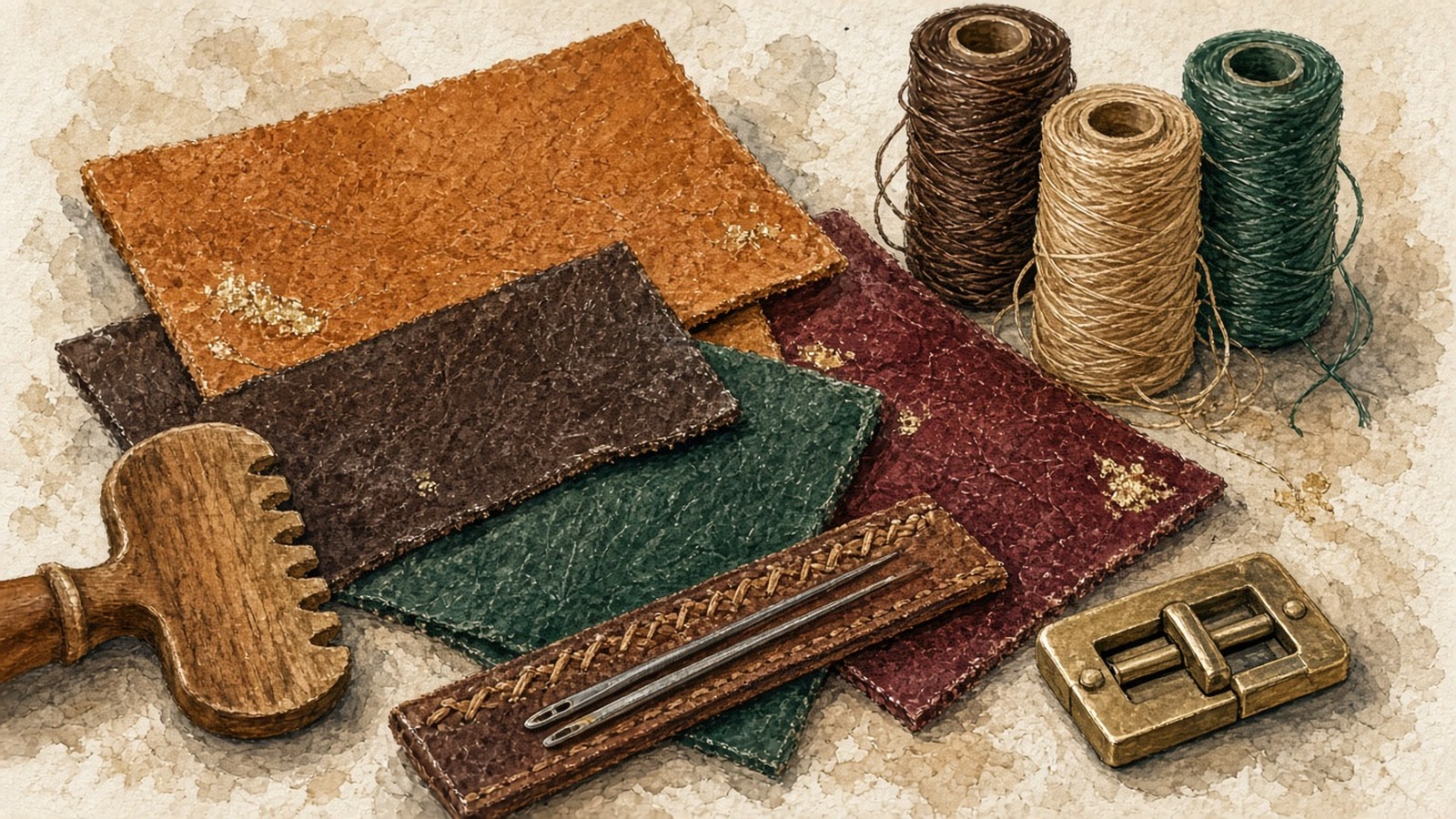
As Hermès’s own leather ateliers and Sotheby’s handbag specialists explain, every Kelly and Birkin is sewn by a single artisan using the point sellier (saddle stitch). The craftsperson clamps the leather panels in a wooden stitching pony (pince à coudre), pierces angled diamond-shaped holes with a pricking iron (griffe à frapper) and awl, and passes two blunt saddler’s needles threaded with beeswaxed linen thread through each hole from opposite directions.
Because both threads cross through every hole in a figure-eight lock, each stitch is structurally independent: if one stitch is ever nicked after thirty years of use, the adjacent stitches will never unravel. Under a loupe, genuine Hermès stitching shows a gentle, rhythmic upward slant (“climbing stairs”), and the ends are back-stitched three holes over rather than melted with synthetic nylon.
Questions people ask
Where is the date stamp on a modern Hermès bag made after 2015?
In late 2014 and 2015, Hermès moved the blind stamp off the underside of the exterior sangle strap to protect it from wear. On bags made from 2015 onward, the unframed year letter and randomized craftsperson code are stamped high on the inside left leather gusset wall.
What is the difference between Hermès Togo and Epsom leather?
Togo is a natural, drum-shrunken calfskin whose irregular pebbles and optional vertical veining come from the hide itself, giving a supple hand feel. Epsom is a laminated calfskin whose uniform crosshatch grain is heat-pressed by machine, producing a lighter, stiffer and more water-resistant structure.
Does an authentic Hermès bag come with an authenticity card?
Never. Hermès has never issued plastic or paper authenticity cards with its handbags, whether vintage or current production. Any Birkin, Kelly or Constance offered on the secondary market with an orange plastic card or serial certificate is counterfeit; genuine bags include only a raincoat and dust bag.
What do the tiny symbols next to the Hermès Paris stamp mean?
A tiny symbol stamped next to the foil logo identifies an exotic skin or bespoke order: a caret (^) marks Porosus crocodile, two dots (..) mark Niloticus crocodile, an equals sign (=) marks American alligator, a dash (-) marks lizard, and a horseshoe marks a custom Special Order.
For a bag whose hardware, rings and zip tell its age, read the story of Jane Birkin’s original Birkin and the seven prototype details Sotheby’s catalogued before it sold in 2025.
For a Hermès you can carry every day, read Is the Hermès Evelyne Worth It?
Sources
- Christie’s, “How We Know Your Hermès Handbag Is the Real Deal”
- Rebag, The Vault, “Hermès 101: Stamps”
- Christie’s, “An Expert Guide to Hermès Leathers and Skins”
- Hermès, “Hermès in the Making” (saddle stitch and leather work)
- Sotheby’s, “Everything You Need to Know About the Hermès Birkin”
Finely Owned is independent and isn’t affiliated with Hermès.