

Every Rolex eventually goes back to a watchmaker’s bench. How often Rolex says it should, what happens over the following weeks, why some owners write “no polish” in capital letters, and what a service history tells the next owner.
As an Amazon Associate I earn from qualifying purchases. Finely Owned is independent and isn’t affiliated with Rolex. Pieces are pre-owned and sold by independent resellers, not the brands.
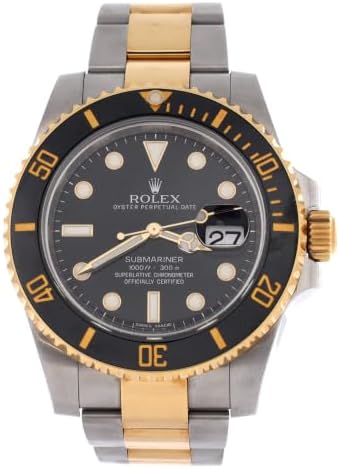
The listing says it comes with a dated warranty card and the box, a good starting point for its paper trail. A dated card doesn’t record later service, so ask the seller what work has been done and whether there’s a receipt. Listed as pre-loved, sold by Rebag.
Collector’s note: pre-owned. Offered by Rebag, an independent reseller. Authenticated by the seller. Returns follow Amazon Luxury policy. Listings change, and price and availability are set by the seller on Amazon. Ask the seller for the serial and papers before you buy. Finely Owned is independent and isn’t affiliated with Rolex. As an Amazon Associate I earn from qualifying purchases.
The appraisal
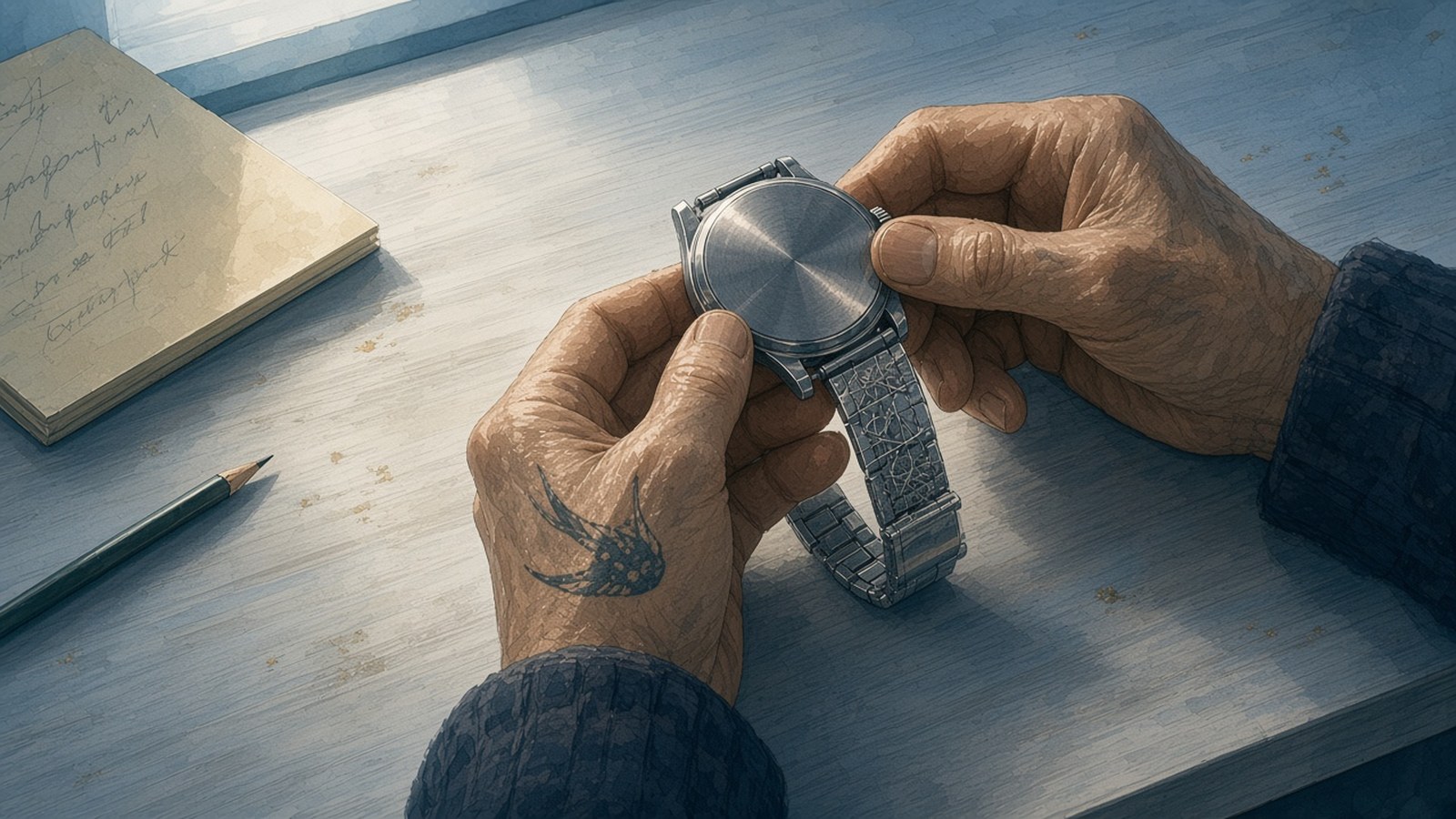
The appraiser doesn’t look at the dial first. He turns the watch over and tilts the case under the lamp, studying the edges where a careless polish would have softened every line. Still sharp. The bracelet has the faint stretch of a watch that’s been worn rather than kept, and there’s a fine web of scratches on the clasp, the honest kind.
Then he asks the question every owner dreads: “When was it last serviced?”
There’s a small pause on the other side of the counter. He smiles, kindly, and writes something down.
A fine watch forgives a great many things, he says, but it keeps excellent records. The scratches say how it was worn. The edges say whether anyone tried to hide that. And the service papers, if there are any, say who opened it and when.
What does it say about the owner? That he wore it every day and never once thought about the oil inside. Most people don’t. That’s what the watchmaker is for.
Where it came from
Built to be opened
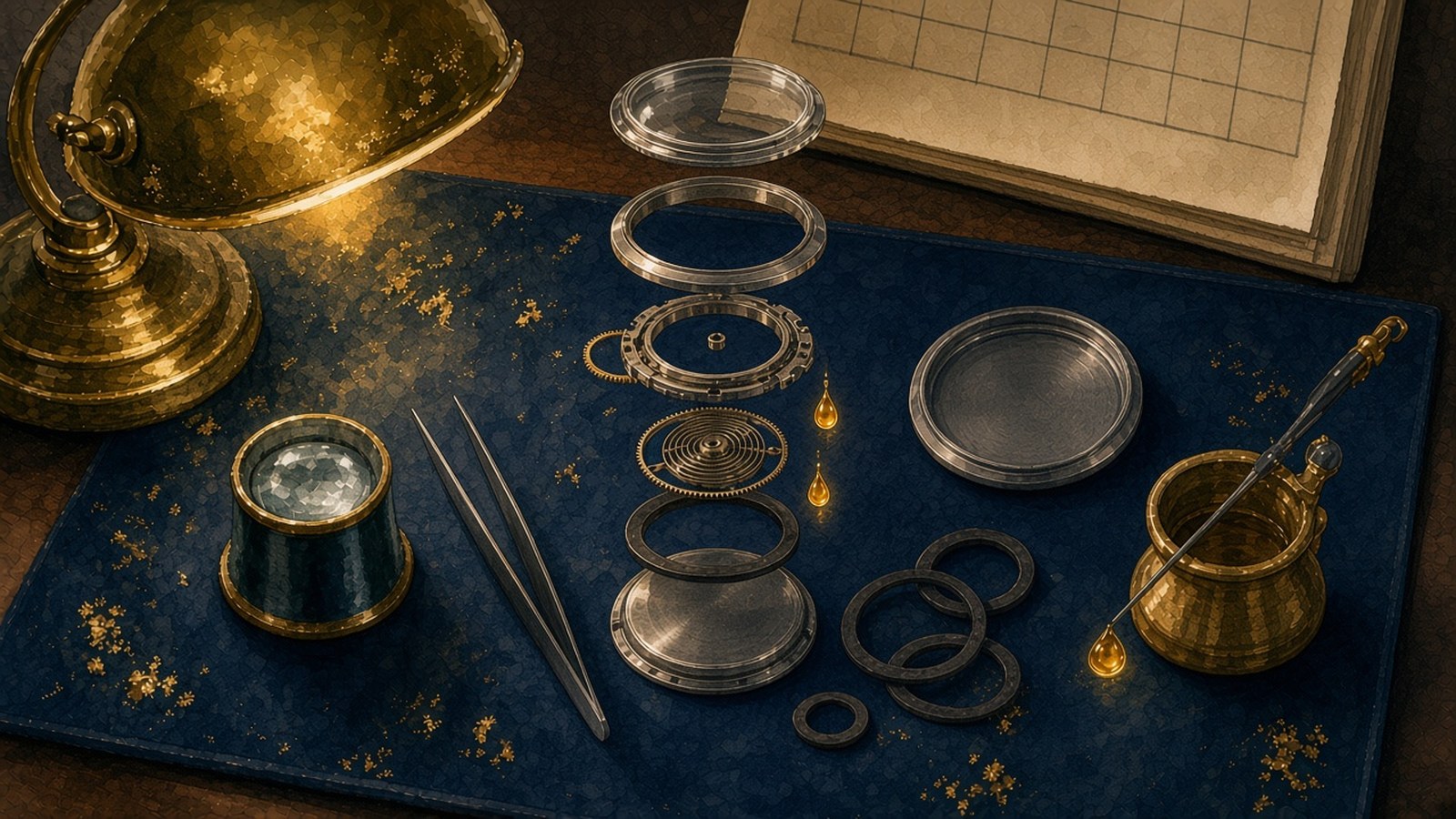
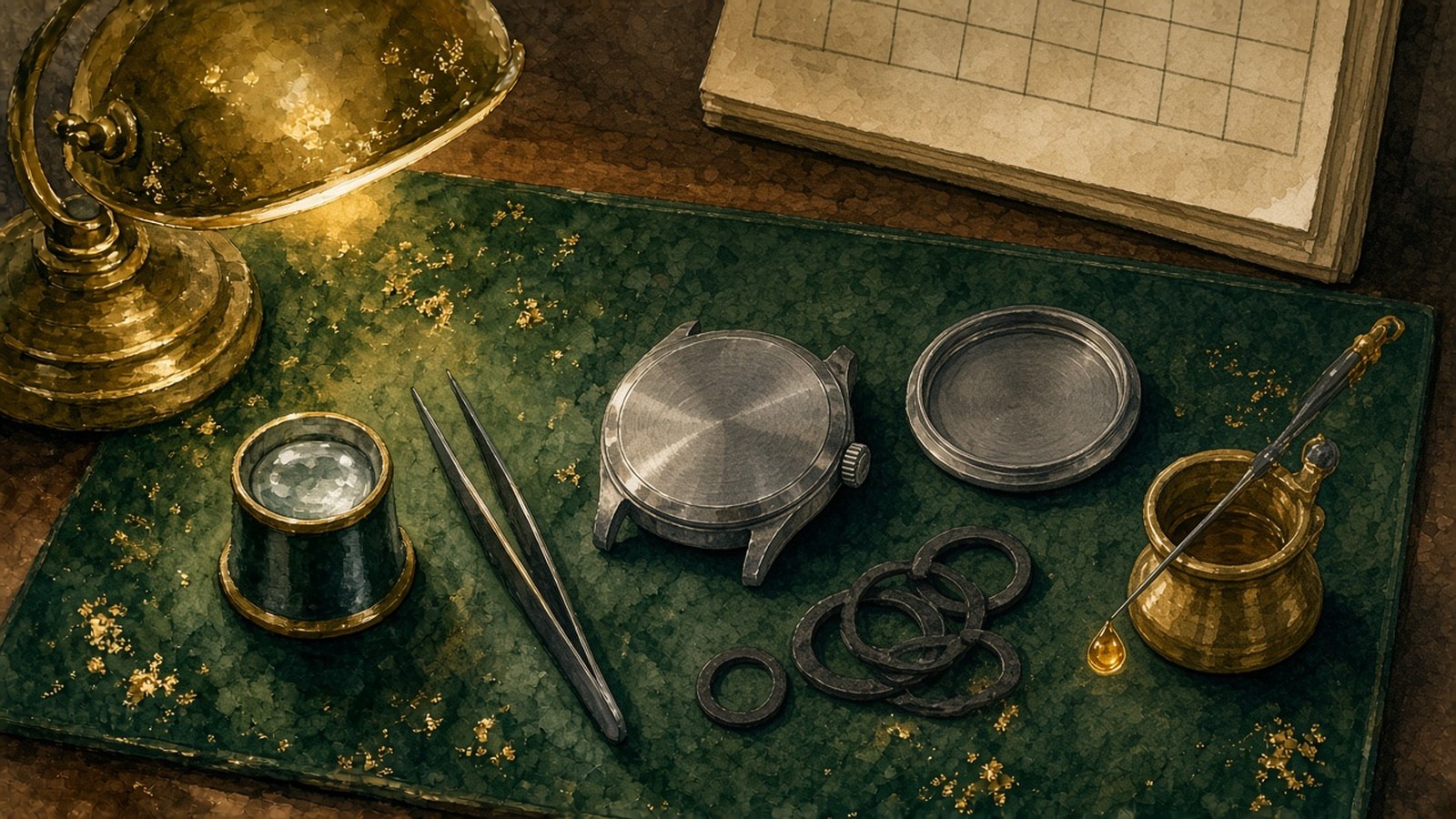
A mechanical watch runs on springs, gears and a few drops of oil. Rolex’s whole design idea, the sealed Oyster case of 1926, was about keeping water and dust out, not about never opening the watch again. Seals age, lubricants change and parts wear. Sooner or later, every Rolex needs a watchmaker.
How often

Rolex’s current guidance is plain: it recommends a service “approximately every 10 years depending on the model and real-life usage,” to keep the watch accurate and waterproof (Rolex FAQ, checked Oct 22, 2026).
It wasn’t always 10 years. Quill & Pad reported in November 2018 that in 2015, Rolex extended its guarantee on new watches from two years to five and lengthened its recommended service interval at the same time. Accounts of the old interval differ, and Fratello was still describing the 10-year recommendation as a recent, quiet update in 2021. What matters for an owner today is the current Rolex wording, and the words “depending on the model and real-life usage.”
Read next: the Oyster case and how it started.

An older steel Datejust, reference 16030, with a textured grey dial. On a watch this age, ask when it was last serviced, by whom, and whether the dial and hands are original. Listed as pre-loved, sold by What Goes Around Comes Around.
Collector’s note: pre-owned. Offered by What Goes Around Comes Around, an independent reseller. Authenticated by the seller. Returns follow Amazon Luxury policy. Listings change, and price and availability are set by the seller on Amazon. Ask the seller for the serial and papers before you buy. Finely Owned is independent and isn’t affiliated with Rolex. As an Amazon Associate I earn from qualifying purchases.
Famous wrists and moments

The record watch nobody had polished
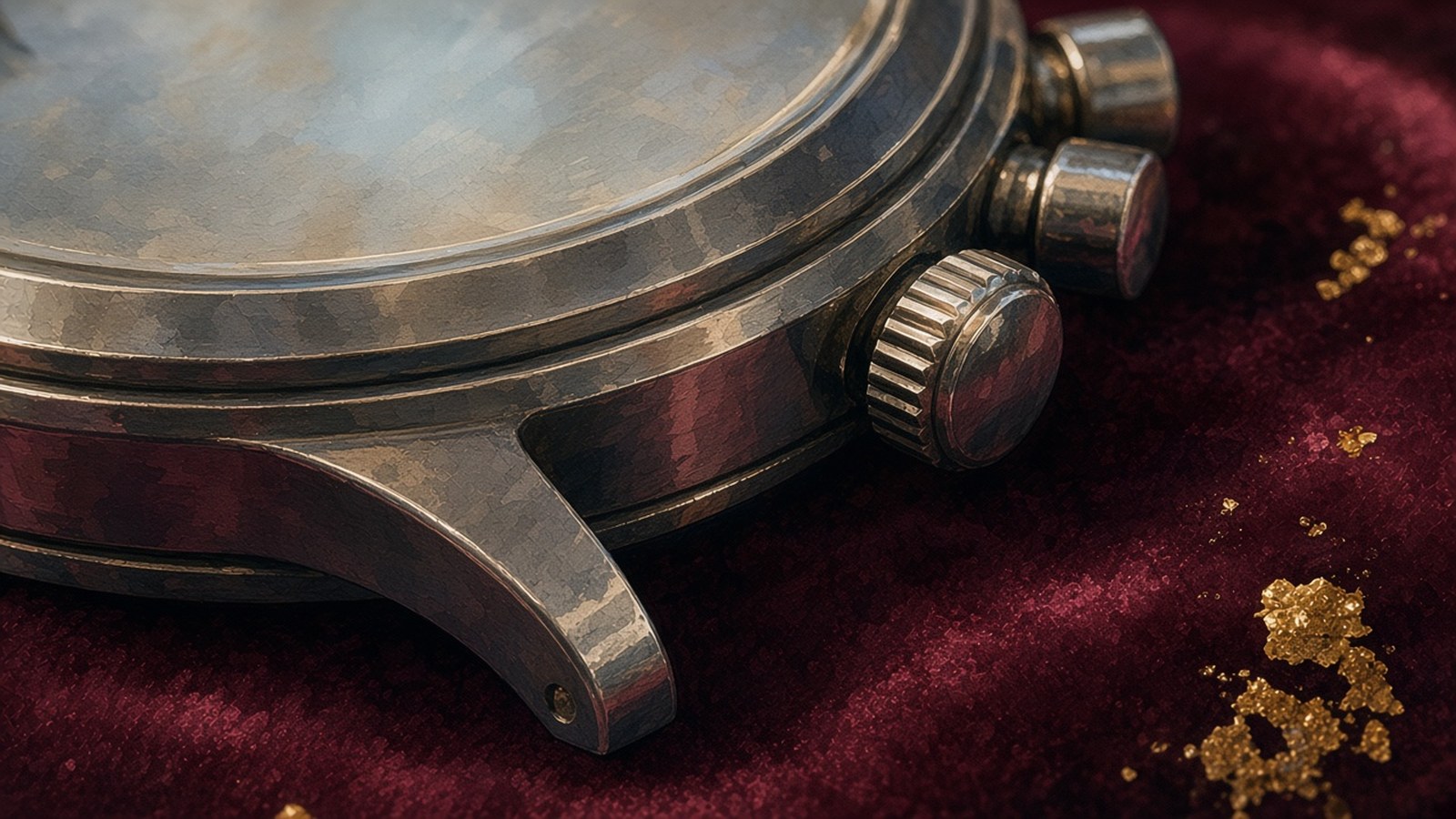
When Paul Newman’s own “Paul Newman” Daytona came up at Phillips in New York in October 2017, the auction house’s catalogue made a point that had nothing to do with its famous owner. Phillips wrote that the case kept “its original proportions, lines, and edges, and in our view, has never been polished,” and that the engraving on the back was still crisp. The watch sold for $17,752,500, a world record for a wristwatch at auction at the time, according to Phillips. Fame made it famous. The untouched case is part of why collectors trusted it.
Read next: how the Paul Newman got its name.
Inside the workshop
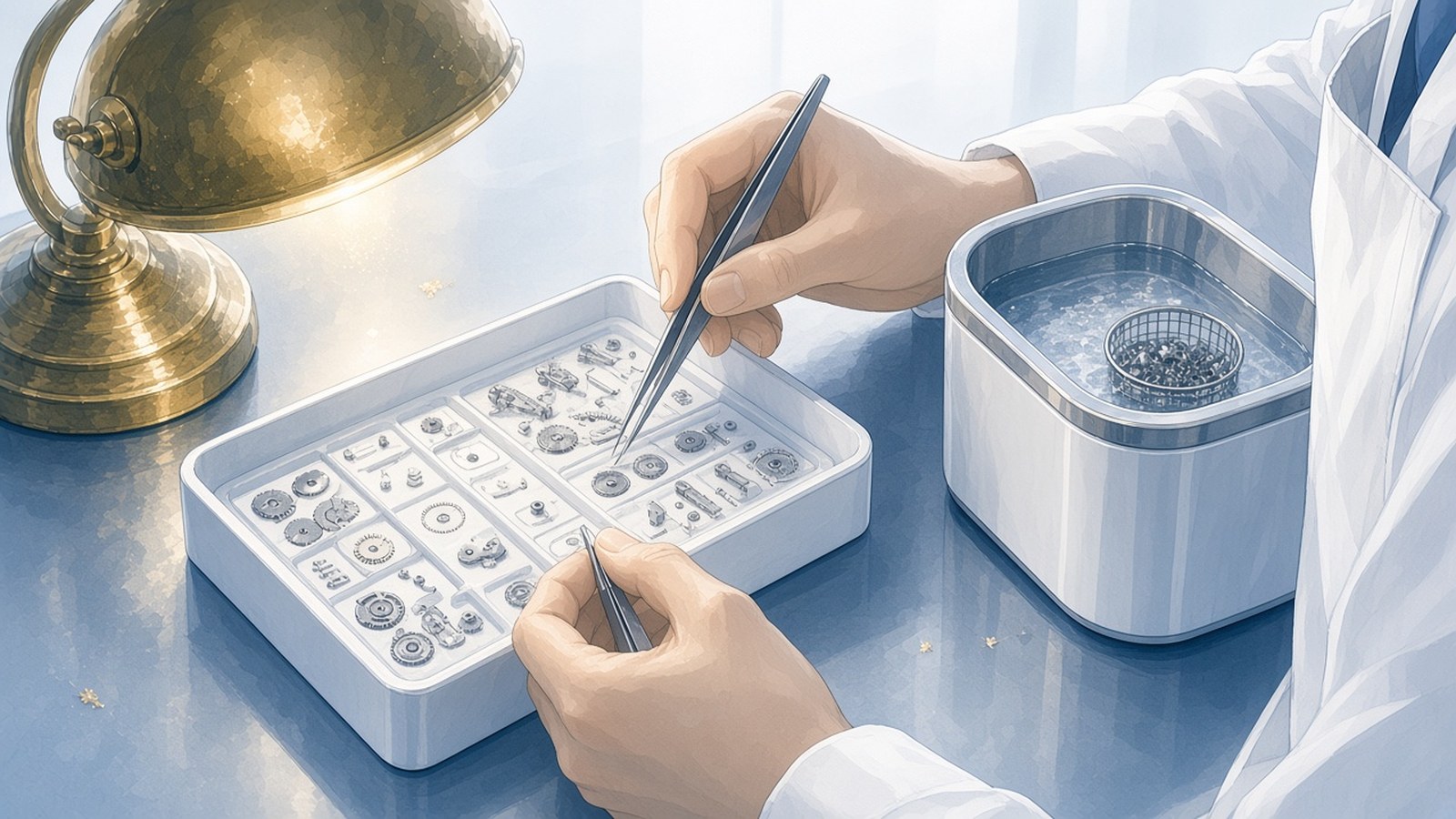
Rolex describes its own procedure in steps (Rolex, The Rolex Servicing Procedure, checked Oct 22, 2026):
- Notes and estimate. Staff note your requests. A watchmaker examines the watch and draws up an estimate, and work starts only once it’s approved.
- Movement. It’s taken out of the case, fully dismantled and examined. Parts that no longer meet Rolex’s requirements are replaced, and every component goes through an ultrasonic bath.
- Rebuild. The movement is reassembled, lubricated and adjusted for precision.
- Case and bracelet. On request, they’re re-polished or satin-finished to their original finish.
- Testing. The watch runs through a Rolex test lasting at least 24 hours, then a water-pressure test and a final check.
- Return. It comes back in a protective pouch with an international two-year service guarantee covering replacement parts and labour.
Rolex’s FAQ adds that a complete overhaul takes a minimum of four to six weeks, depending on the watch’s condition.
What it costs

Rolex doesn’t publish a service price. Its FAQ says the cost depends on the type of service and the condition of the watch, and that you’ll receive an estimate to approve before any work begins (checked Oct 22, 2026). We don’t estimate one either. Ask for the written quote, and read every line.
What owners say
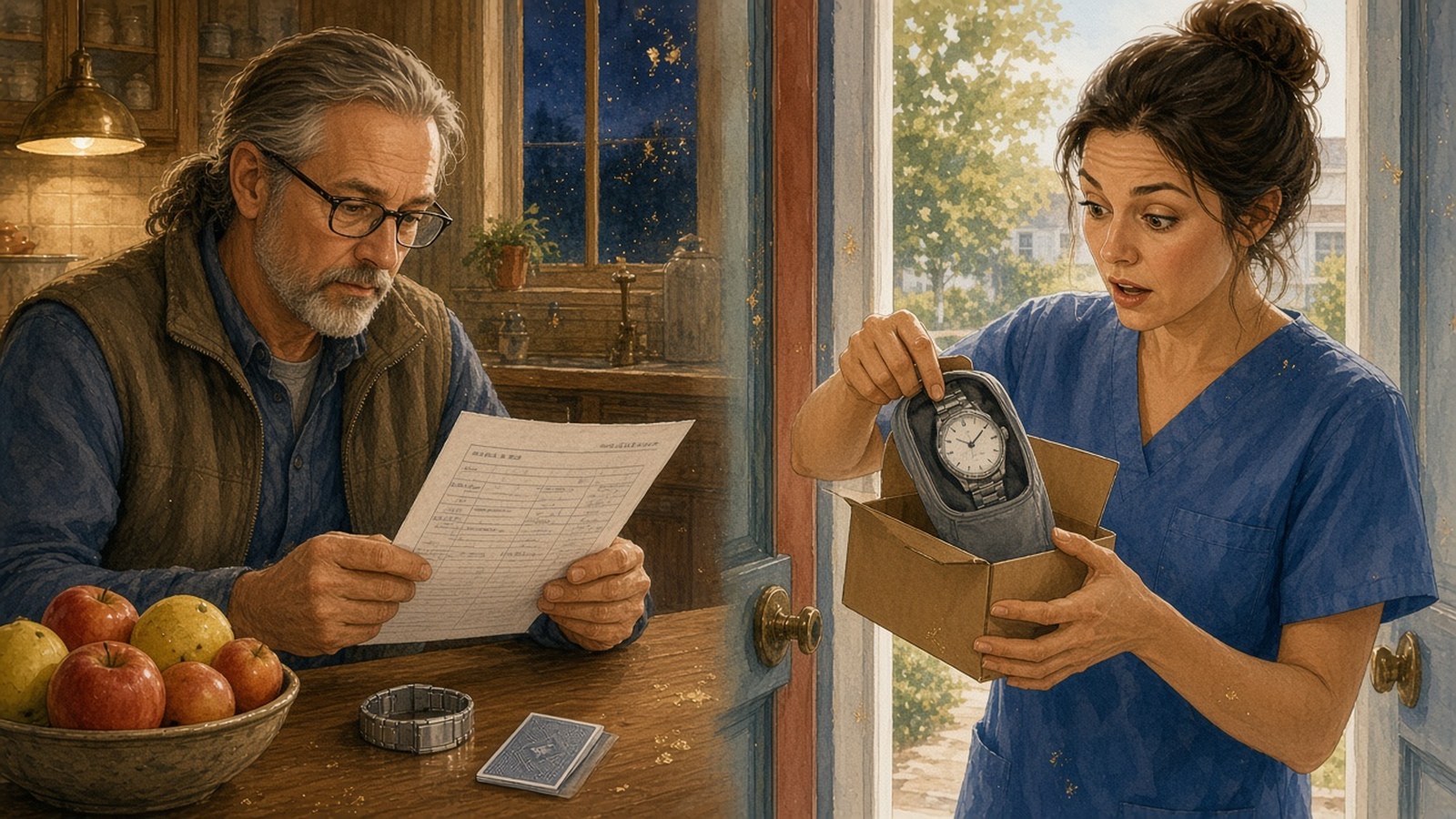
These are owners’ own accounts, paraphrased in our words. Each is one person’s experience, not a fact about every watch or every service center.
Four lines on the estimate. In a September 2021 Rolex Forums thread about polishing, a collector described the estimate for his Submariner. It had one required line, a full movement service, and three optional ones: a new bezel insert to replace a scratched one, a case polish and a bracelet polish. He approved the movement work and declined the rest. The watch came back unpolished, with the same insert, running beautifully. In the same thread, another owner said his Submariner was serviced in Toronto without polishing, and the only mandatory part change was the crown, to keep the watch waterproof.
A letter before any work. In a December 2015 Rolex Forums thread, an owner who’d sent watches to Rolex twice said that each time, before any work began, he received a letter itemizing what the watch could benefit from, with a price for each item, and only the work he chose was done. He did choose a new crystal, he admitted, because he couldn’t stand feeling a tiny chip on its edge with his fingernail. In the same thread, other collectors said that for a vintage piece they’d rather use a trusted independent watchmaker with access to Rolex parts.
Both stories point the same way: say in writing what you want done, and what you don’t, and read every line of the estimate before you approve it.
The buying guide
More appraisals: The Watches Worth Knowing: Stories Behind the Dials, including Why the Rolex Explorer II Costs What It Does.
Related stories: the Rolex Datejust, the Rolex Oyster Perpetual and Rolex nicknames.
What holds value
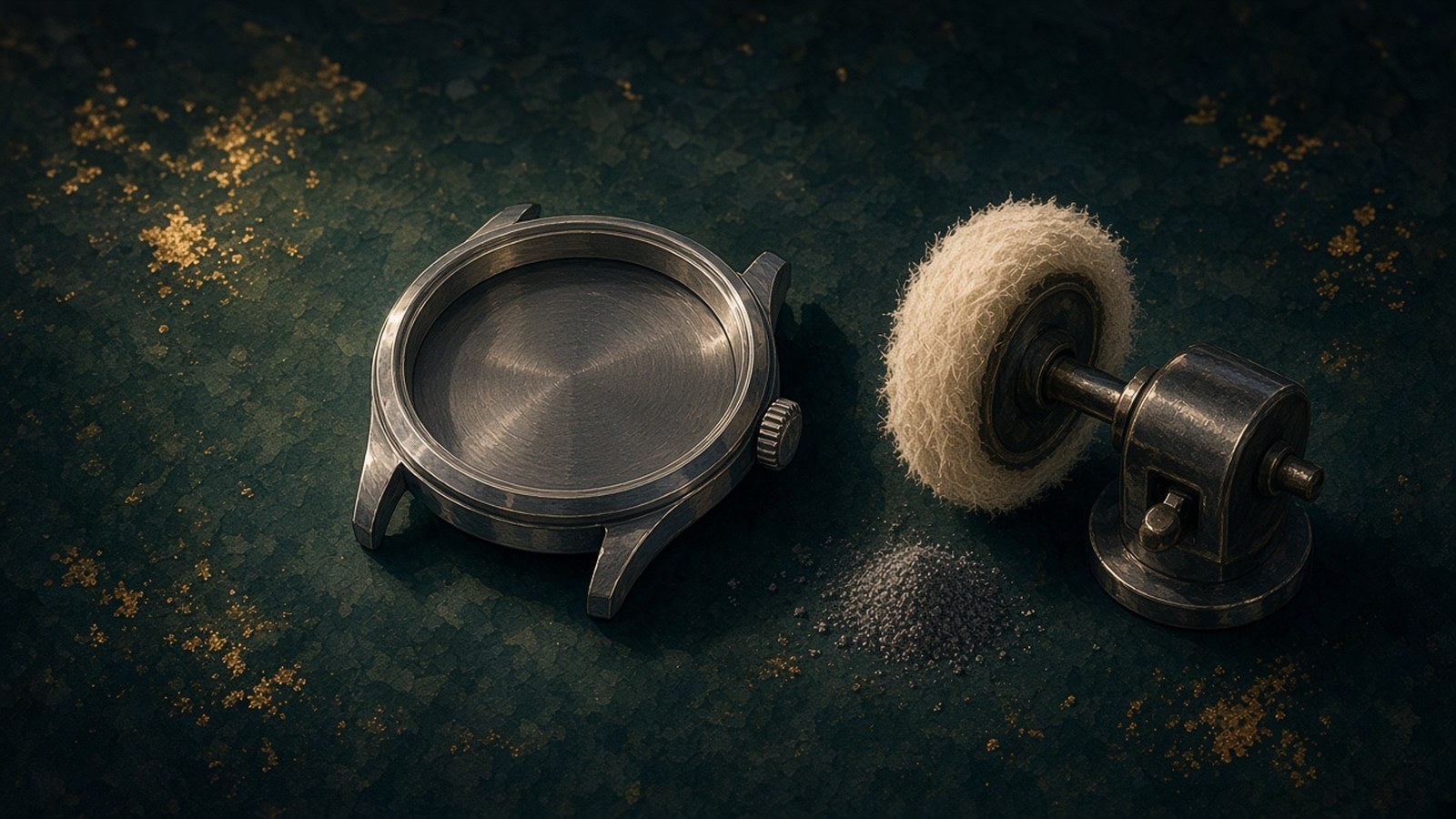
- Original edges. Polishing removes metal. On collectible pieces, sharp, untouched case lines are part of what buyers check first.
- Original parts on vintage. During a service, parts that no longer meet Rolex’s specifications are replaced. On a vintage watch, an original dial, hands or bezel insert can be where much of the value sits, so decide in writing what you want kept.
- A documented history. Service papers tell the next owner who opened the watch and when.
Box and papers

Rolex’s service guarantee is separate from the original guarantee card, and the original card can’t be reissued under any circumstances (Rolex FAQ). Keep both. On a pre-owned listing, a recent Rolex service document is useful evidence, but it isn’t the same as the original papers.
Read next: what box and papers really tell you.
Between services
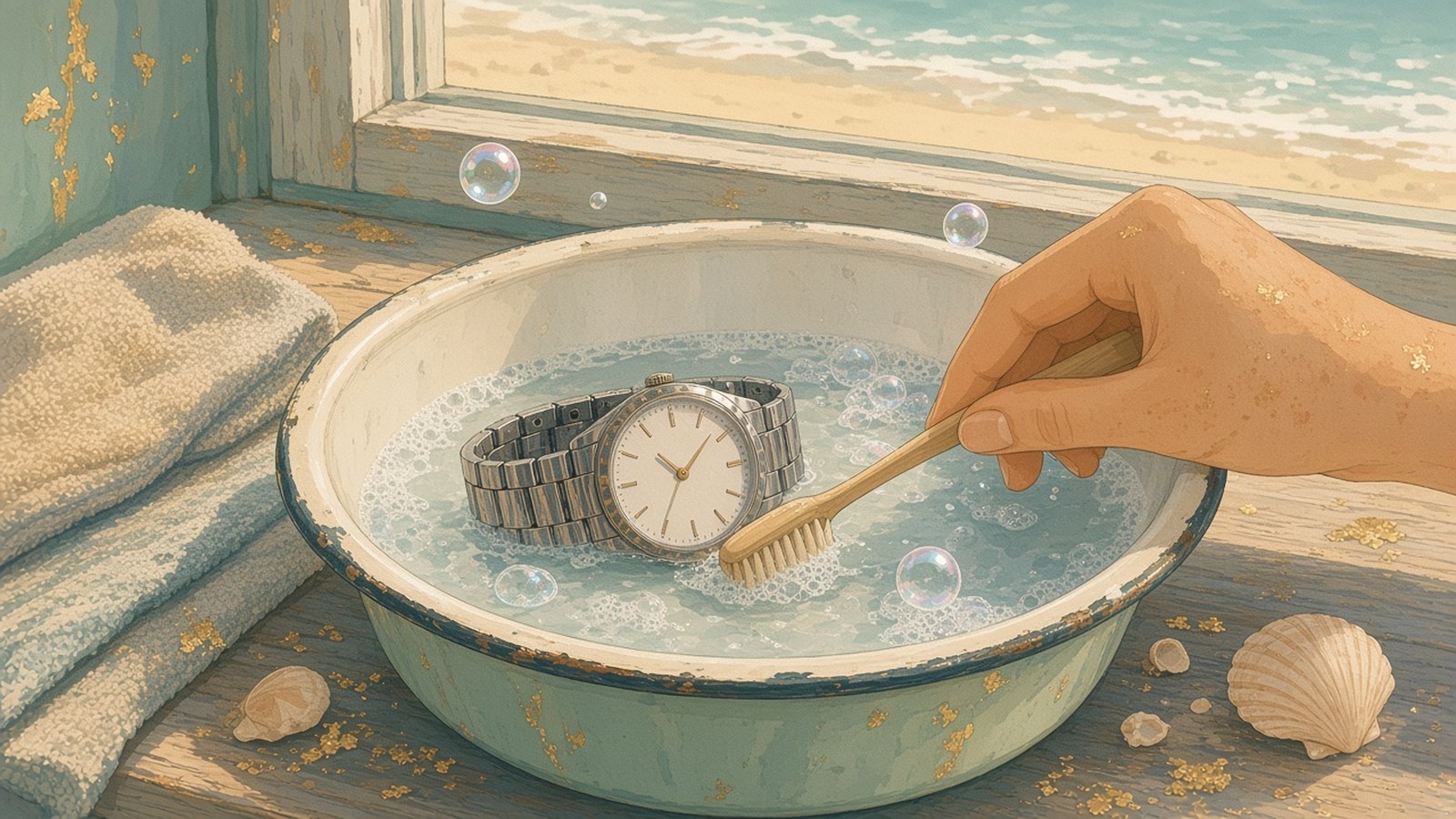
- Cleaning. Rolex suggests a microfiber cloth and, from time to time, soapy water and a soft brush on the case and metal bracelet, with the crown screwed down first. Rinse in fresh water after the sea.
- Winding. Worn daily, a Rolex winds itself. Off the wrist, it keeps running for up to about 70 hours depending on the model. To restart it, unscrew the crown and wind about 20 turns, then screw it back down.
- Polishing. Rolex says professional polishing of the case and bracelet should only be done by an Official Rolex Service Center.
- Timekeeping. If the watch runs fast or slow, Rolex’s advice is to contact a Rolex jeweler or service center.
- Insurance. The National Association of Insurance Commissioners suggests checking whether your home policy caps jewelry and watch coverage, adding an endorsement or separate policy if needed, getting an independent appraisal, and keeping photos and records.
What to check

- Ask when it was last serviced, and by whom. Rolex’s own service papers are the clearest record. “Recently serviced” with no paperwork is a claim, not a record.
- Look at the edges. Compare the case lines and bevels with Rolex’s own photos of the model, and ask whether the piece has been polished.
- Ask about replaced parts. Rolex’s guarantee doesn’t cover watches materially modified with parts that aren’t genuine Rolex parts.
- Sold by. Name the reseller and read how it authenticates. In Amazon Luxury, pre-owned watches come from independent resellers in its program, such as What Goes Around Comes Around.
- The 30-day window. Check timekeeping when it arrives. If it runs noticeably fast or slow, raise it within Amazon’s 30-day return window, and keep the watch unworn and unaltered with all its packaging. Don’t send a watch you might return for service.

A red and blue GMT-Master; the title lists reference 16700, a 1990s model. Ask for the service history and whether the bezel insert has been replaced. Listed as pre-loved, sold by What Goes Around Comes Around.

A modern 41mm Starbucks Submariner Date. Ask whether it has been serviced since it was sold new, and for the paperwork if it has. Listed as pre-loved, sold by Rebag.
Collector’s note: pre-owned. Offered by What Goes Around Comes Around and Rebag, independent resellers. Authenticated by the seller. Returns follow Amazon Luxury policy. Listings change, and price and availability are set by the seller on Amazon. Ask the seller for the serial and papers before you buy. Finely Owned is independent and isn’t affiliated with Rolex. As an Amazon Associate I earn from qualifying purchases.
Why care costs what it does
A service is weeks of someone taking your watch completely apart, cleaning every piece, replacing what’s tired and testing it for days. Leave it too long, and routine maintenance can become a repair. Polish it too often, and the edges never come back. The owners who get it right do the simplest thing: they read the estimate, say in writing what they want, and keep the papers for whoever wears the watch next.
Sources
- Rolex, Caring for your Rolex: Frequently Asked Questions
- Rolex, The Rolex Servicing Procedure
- Rolex, The Rolex Guarantee
- Quill & Pad, The Five-Year Warranty Becomes the New Standard (Nov 3, 2018)
- Fratello, Comparing Service Intervals of Rolex, Oris, Casio and More (2021)
- Phillips, Winning Icons, lot 8: Cosmograph Daytona “Paul Newman”
- Phillips, Paul Newman’s “Paul Newman” Daytona sets world record (Oct 26, 2017)
- NAIC, Jewelry Needs Protection, Too
- Owner accounts: Rolex Forums, “Sent Rolex to RSC for a repair, would it be polished?”; Rolex Forums, “Rolex service center, no polish request?”
As an Amazon Associate I earn from qualifying purchases. Finely Owned is independent and isn’t affiliated with Rolex.
[…] Read next: servicing a Rolex. […]
[…] Read next: what happens when a Rolex is serviced. […]
[…] Read next: servicing a Rolex. […]
[…] Read next: servicing a Rolex. […]